Preserving Lehi’s Story: Heather Newall & the Historical Marker Pins
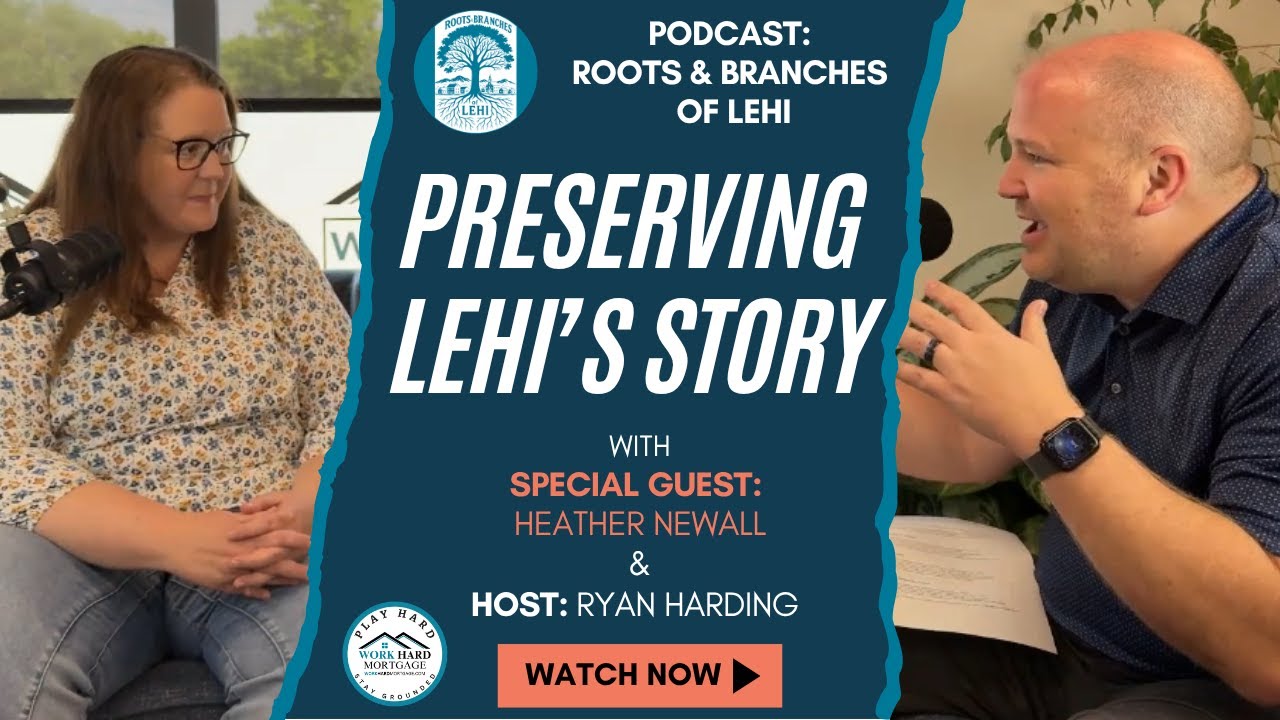
Heather Newall discusses the delicate balance of managing Lehi's rapid urbanization while fostering community identity through innovative historical preservation.
Heather Newall
City Council Member
At a Glance
Archive Scoring
Introduction
Heather Newall’s narrative is a testament to the power of the 'accidental' public servant—those driven by a single issue who find themselves becoming the architects of a city’s future. Her journey from a technology professional to a pivotal member of the Lehi City Council illustrates a transition from critiquing from the sidelines to laboring in the trenches of municipal governance. This record captures the nuance of modern community building, where the rigidity of property law meets the fluidity of a growing population. Newall offers a rare look at the human mechanics behind the dais, where disagreements are not dead ends but beginnings for compromise and shared vision.
Beyond the logistics of land use and general plans, this interview delves into the emotional landscape of a town in flux. Newall’s eighth-generation roots in the region provide a deep-seated anchor, even as she navigates the complexities of a marriage that spans from the highlands of Scotland to the suburban sprawl of Utah County. Her husband’s lifelong dream of living in Lehi serves as a poignant reminder that for many, this city is more than a dot on a map; it is a long-sought destination, a place where roots are intentionally planted and fiercely protected.
A significant portion of this record is dedicated to the Lehi Historical Marker Program, an initiative that breathes life into the city’s past through the creation of collectible enamel pins. Newall’s role in this project—applying her twenty-five years of technical expertise to the manufacturing and design of these artifacts—bridges the gap between the digital and the tangible. These pins are not merely souvenirs; they are portable pieces of community memory, designed to spark curiosity and conversation among new residents and old families alike.
The conversation also tackles the heavy mantle of infrastructure and the 'growing pains' of a city that has become a regional crossroads. From the intricacies of the school district split to the massive undertaking of the 2100 North freeway project, Newall describes a city that is being forced to solve problems of a scale much larger than itself. She paints a picture of Lehi as a proactive entity, working to ensure that the influx of half a million people to the west does not erode the quality of life for those already within the city limits.
Ultimately, this episode serves as a historical document of a city at a crossroads. It explores how a community retains its soul when its physical landscape is being radically reshaped by development and traffic. Through Heather Newall’s perspective, we see that the preservation of history is not a static act of looking backward, but an active, creative process that requires both the hard data of city planning and the soft touch of artistic storytelling. Her work ensures that as Lehi grows upward and outward, it remains connected to the ground upon which it was built.
Episode Overview
A detailed look at the topics, people, and context of this conversation.
In this episode, Heather Newall shares her trajectory from a concerned resident studying city code to her current role as a member of the Lehi City Council. She provides a detailed look at the inner workings of the Planning Commission and the City Council, emphasizing the importance of the General Plan in protecting property rights and guiding growth. The discussion spans her personal heritage, her husband's Scottish roots, and their shared commitment to making Lehi their permanent home.
Newall recounts her deep involvement in high-stakes community decisions, most notably the recent Alpine School District split. She reflects on the challenges of representing a rapidly growing city and the necessity of building bridges with neighboring municipalities and state agencies like UDOT. Her expertise in technology and design is highlighted through her work with the Lehi Historical Society, specifically in the revitalization of the city's historical marker program.
The heart of the episode focuses on the innovative Historical Marker Pin program, which Newall helped transform from a small project into a thriving community initiative. She describes the research and design process for markers ranging from the Saratoga Resort to the Broadbent sign, explaining how these small artifacts help foster a sense of local pride. The episode concludes with a forward-looking perspective on Lehi’s infrastructure and the ongoing efforts to manage the traffic and transit needs of the burgeoning population.
Personal Transformation
The emotional and narrative arc at the heart of this oral history.
Heather Newall’s arc is a classic story of an accidental leader. She began as a private resident with a technology background, content to stay out of the spotlight and focus on her family and career. The catalyst for her transformation was a personal grievance—a development project in her backyard that threatened her sense of community. Rather than simply complaining, Heather dove into the minutiae of city code, discovering a latent talent for identifying discrepancies and advocating for adherence to the city’s General Plan. This initial challenge served as a turning point, revealing to her that the city’s 'language'—its ordinances and codes—was a tool that could be mastered to effect real change.
As she gained confidence, Heather realized that her analytical mind and ability to translate complex data into actionable insights were desperately needed in Lehi’s governance. Her shift occurred when she stopped seeing city leaders as adversaries and started seeing them as potential collaborators. By standing up in City Council meetings to disagree with the Mayor, she ironically forged a bond of mutual respect that led to her appointment to the Planning Commission. This was the moment she transitioned from a neighborhood advocate to a city-wide strategist, recognizing that she could do more good by being inside the room where decisions are made than by protesting from the outside.
Her journey from Planning Commission chair to City Council member represents a further refinement of her mission. She moved from a role of 'checking boxes' for code compliance to a role of 'solving problems' through legislative action and relationship building. Heather embraced the discomfort of the spotlight, eventually becoming a spokesperson for Lehi’s interests during the highly contentious school district split. She evolved from someone who avoided the microphone to someone who used it to protect the city’s future for the next thirty years.
Today, Heather is a leader defined by her 'bridge-building' capacity. She has integrated her technical expertise with a deep-seated passion for local history, transforming from a concerned neighbor into a multifaceted community architect. Her growth is marked by a move away from short-term personal concerns toward long-term institutional stability, proving that one person’s pursuit of accountability can redefine a community’s trajectory. She has become the embodiment of the idea that civic duty is a learned skill, perfected through the grit of public service.
Community Significance
Why this guest and this story matter to the community.
Heather Newall has become a vital guardian of Lehi’s 'Social Contract'—the General Plan. In a city experiencing explosive growth, her insistence on following the established rules provides a necessary anchor for residents who feel overwhelmed by the pace of change. Without her intervention and technical scrutiny, Lehi might have succumbed to development that ignored long-term infrastructure needs in favor of short-term gains. She fulfilled a critical community need for a leader who understands both the digital future and the historical past.
Her impact is most visible in the structural foresight she brought to the Alpine School District split. By advocating for a solution that considers the city’s needs decades into the future, she ensured that Lehi’s children would have the resources and autonomy they deserve. This effort strengthened relationships between Lehi and its neighboring cities, as she worked to convince them that a fair split was a win for the entire region. Her role as a spokesperson during this period was essential in providing a clear, research-backed voice amidst a sea of political noise.
Beyond policy, Heather’s significance lies in her work with the Lehi Historical Society. By modernizing the way the city interacts with its history—specifically through the Historical Marker Pins—she has created new points of connection for residents. These pins are not just collectibles; they are physical touchstones that foster a sense of belonging in a rapidly shifting landscape. She has bridged the gap between the 'Old Lehi' families and the 'New Lehi' tech-sector arrivals by making history accessible, fashionable, and communal.
If Heather were missing from the Lehi narrative, the city would likely lack the sophisticated technological approach she brings to community engagement and historical preservation. Her ability to navigate the complexities of international manufacturing for local projects is a rare skill set in municipal government. She has ensured that Lehi is not just growing, but growing with a conscience and a memory, preserving the 'roots' while managing the 'branches' of the city’s expansion.
"I'm like somebody who is always like I don't put me in front of the spotlight doing any of this kind of stuff. Yeah, but it's kind of funny. You look back at things that I've done and somehow I found myself there."
— Heather Newall · 3:21
Key Themes & Life Lessons
The ideas that run beneath the stories — and what they teach about community, leadership, and belonging.
Civic Leadership and Transition
Historical Preservation through Modern Engagement
Land Use and Property Rights Ethics
Regional Transportation and Infrastructure Challenges
School District Reorganization and Governance
Community Identity and Heritage Branding
Community Building
Heritage Preservation
Wisdom & Life Lessons
'Service is the highest form of payment.' Heather notes that the 'thrill' of making a positive difference in people's lives is a more rewarding compensation than any salary. This reflects a deep wisdom regarding the nature of human fulfillment and the importance of finding work that aligns with one's values.
'Knowledge of the rules grants the power to change them.' Heather’s success came from studying the code. Her wisdom is that you cannot dismantle or improve a system until you have mastered its internal logic. Advocacy without education is often noise; advocacy with education is a catalyst.
'Look 30 years out.' This mantra guided her through the school district split and the general plan debates. It is a piece of wisdom for any leader: the success of a decision is measured not by its immediate reception, but by its durability over decades.
'Bridge the gap between technology and tradition.' Heather used 21st-century manufacturing and web design to save 19th-century stories. Her life suggests that progress does not have to come at the expense of memory; in fact, the most effective preservation uses the newest tools available.
Key Takeaways
- 1Heather Newall's path to the City Council began as a concerned resident researching code, proving the power of grassroots civic literacy.
- 2Property rights and the Fifth and Fourteenth Amendments dictate much of city development, often limiting the Council's ability to restrict density once entitled.
- 3The Alpine School District split was a pivotal strategic moment for Lehi, requiring deep research to protect the city's 30-year future.
- 4The Historical Marker program uses collectible enamel pins to create 'tangible history,' driving massive engagement for the Lehi Historical Society.
- 5Regional traffic issues in Lehi are often 'imported' from neighboring cities, necessitating proactive collaboration with UDOT and federal funding.
- 6Local government thrives when there is a culture of respect between elected officials and professional city staff.
Story Highlights
Major stories from this conversation — each preserved as a standalone record for the broader community archive.
Heather Newall, an eighth-generation local whose ancestor founded American Fork, recounts how a BYU chat room in the late 1990s connected her with her future husband in Glasgow, Scotland. Despite her deep Utah roots, her husband had a long-held fascination with Lehi due to his grandmother’s connections to the Trinaman family. This shared digital connection eventually led him to move across the world to build a life in Lehi, fulfilling a personal dream of belonging to this specific community.
Emotional Significance
The story highlights the serendipitous way modern technology can intertwine with deep-seated historical roots, creating a new family legacy in an ancestral land.
Why This Matters
It demonstrates how Lehi attracts residents through both deep family history and a unique sense of place that resonates even across oceans.
Life Lesson
Heritage is not just where you are born, but where you choose to plant your roots and build a home.
Transformation
Heather’s husband transformed from a student in Scotland with a distant connection to Lehi into a dedicated resident who insists on staying in the city as a prerequisite for their life together.
What It Reveals About Heather Newall
She values her deep roots but is open to modern ways of connecting and building a family.
What It Reveals About the Community
The city has a magnetic pull that reaches far beyond its geographic borders.
Community Value Preserved
The narrative of Lehi as a place of aspiration and multi-generational belonging.
For future generations: It documents the transition from traditional courtship to early digital connection and how it impacted the demographic makeup of Lehi.
Heather describes her entry into local government not as a political ambition, but as a reaction to a development project in her backyard. By studying city code and catching errors that violated the General Plan, she successfully delayed a development for over a year. This experience taught her that one resident's diligent research could hold developers accountable and ensure that city promises are kept, leading her to seek a formal role where she could help others navigate similar challenges.
When a Planning Commission vacancy opened, Heather was encouraged to apply despite her history of publicly disagreeing with the Mayor. She feared the interview would be contentious, but instead, it became a moment of profound connection. The Mayor appreciated her willingness to stand up for her beliefs, and they found a shared commitment to the city. This led to her appointment and eventual role as the first female chair of the Planning Commission in recent memory.
Heather took a lead role in researching the potential split of the school district, a highly contentious and complex issue. She describes the difficulty of looking past immediate political pressure to focus on what the community would need 30 years in the future. Her deep dive into the data convinced her that the current trajectory was unsustainable, and she worked to persuade neighboring cities like Saratoga Springs and Eagle Mountain to see the long-term impact on their own students.
Heather combined her 25 years of web development and design experience with her passion for Lehi's history to revitalize the Historical Society's marker program. Finding that the society was barely breaking even on promotional items, she took over the manufacturing process, sourcing high-quality enamel pins directly from manufacturers. This technological and business intervention transformed a small project into a massive community success, with sales tripling and residents eagerly collecting pins that represent Lehi’s landmarks.
"We can't just look at right now. We got to look at what this is going to look like in 30 years."
— Heather Newall · 10:26
Historical Preservation & Legacy
What this interview preserves about community history, cultural legacy, and intergenerational knowledge.
Preservation Value: Exceptional
This episode captures a rare intersection of high-level policy (school district splits, regional transportation) and grassroots cultural preservation (historical markers). It documents the specific methodology of a woman who bridged the gap between a concerned resident and a strategic city leader. The technical details regarding city code and the preservation of specific local history make this an essential record for the Lehi archive.
Why This Episode Matters Historically
This episode is a critical primary source documenting the transition of Lehi from a small agricultural town to a major regional hub in the 'Silicon Slopes' era. It provides a first-hand account of the strategic decisions behind the Alpine School District split, an event that will likely be seen as a defining moment in Utah County's educational history. The transcript captures the specific anxieties and strategies of a city leader trying to balance property rights with the public's desire for controlled growth. Furthermore, the episode documents the birth and implementation of the Lehi Historical Marker Program. This program represents a unique modern effort to preserve community identity through material culture (enamel pins) and digital integration (QR codes). For future historians, this record explains the 'how' and 'why' behind these markers, detailing the collaboration between city government, private citizens, and the Historical Society during a period of significant cultural shift.
What Future Generations May Learn
Future generations will learn that the preservation of a community requires both a deep knowledge of the law and a creative approach to storytelling. Heather Newall’s experience teaches that 'code'—be it software code or city code—is the architecture of modern life. They will see that a single citizen, armed with research and a willingness to engage, can change the physical and political layout of their city. This record demonstrates that the 'small town feel' is not a natural byproduct of a place, but a result of intentional effort and the maintenance of shared memory. Residents fifty years from now will also understand the logistical challenges of the early 21st century, specifically regarding the intersection of global supply chains and local heritage. Heather’s story of sourcing pins from China to honor a 19th-century resort in Lehi illustrates the globalized nature of local history in this era. It serves as a lesson in adaptation: how to use the tools of a globalized economy to protect the specific, unique identity of a home town. Lastly, future leaders will find a blueprint for 'principled disagreement.' The relationship between Heather and the Mayor serves as a timeless example of how two people can have opposing views on specific issues while remaining united in their service to the community. This lesson in civil discourse is perhaps the most valuable legacy Heather leaves for the future citizens of Lehi.
Community Memory Preserved
This episode protects the memory of the Broadbent Store and the Saratoga Resort, providing specific details like the existence of the two ferris wheels at Saratoga—a fact that was being debated until Heather confirmed it through archival research. It preserves the story of the transition from a BYU chat room in the 1990s to a life of service in Lehi, capturing a specific moment in the history of digital courtship and migration. The narrative also preserves the 'backstory' of the school district split, documenting the internal research and the emotional weight of making decisions for the next generation. It also safeguards the memory of 'Pilgrim’s Landing' and other early developments that signaled Lehi’s transition into a bedroom community for the tech sector. By discussing the origins of the historical markers, the episode preserves the intent behind 32 specific sites, ensuring that the 'why' of these monuments isn't lost as the landscape continues to change. It captures the names of key figures like Laura Baker and Nicole Kunzie, ensuring their contributions to the city’s cultural fabric are permanently recorded.
Local Knowledge Preserved
The transcript contains specialized local knowledge regarding Lehi’s 'Land Use Authority' and the intricacies of Fifth and Fourteenth Amendment rights as they apply to property density. It preserves the specific logistical plans for the 2100 North Freeway, the Pioneer Crossing flex lanes, and the proposed 'Lake Freeway' to connect I-15 and Mountain View Corridor. Additionally, it contains 'insider' knowledge on the manufacturing process for municipal merchandise, detailing the shift from simple Google forms to direct international manufacturing to circumvent tariffs—a unique piece of 21st-century administrative history.
Intergenerational Lessons
The first lesson for future leaders is that preparation is the prerequisite for influence. Heather didn't gain a seat at the table by being loud; she gained it by being more prepared than anyone else in the room regarding city code. This teaches young citizens that expertise is a form of civic power. If you want to change your city, you must first understand the rules that govern it. A second lesson is the importance of 'long-view' thinking. Heather’s insistence on the 30-year impact of the school district split serves as a reminder that the easiest solution for the present is often a disaster for the future. True community building requires the courage to make difficult, unpopular choices today to ensure the stability of tomorrow. Thirdly, the story emphasizes the value of community-specific heritage. By investing her own time and technical skill into the Historical Marker Pins, Heather teaches that history is not a static thing to be left in a museum; it must be 'activated' and brought into the daily lives of the residents. It is a lesson in making the past relevant to the present. Finally, her journey highlights the necessity of civil disagreement. In an age of polarization, her ability to build a working relationship with those she stood up against is a vital lesson for future community builders. It proves that a healthy city is not one where everyone agrees, but one where everyone is committed to the same goal of community flourishing, regardless of their differing paths to get there.
Community & Cultural Insights
Lehi is revealed as a community in the throes of a profound identity shift, moving from a town where 'connections go beyond blood' to a regional center of 'half a million people' in transit. The transcript highlights the cultural tension between 'property rights' and 'community expectations,' a central conflict in Western American towns during the 21st century. It shows that Lehi residents value their history but are also pragmatically focused on infrastructure like freeways and schools.
The city’s culture is described as one of 'proactive problem-solving,' where staff and elected officials are deeply invested in the city's welfare, often going beyond their official duties. There is a strong sense of 'Lehi Pride' that is being channeled into new traditions like the pin collection. The story of the school split reveals a city that is fiercely independent and unwilling to be a junior partner in regional governance. Overall, Lehi is portrayed as a place that is carefully curating its growth, attempting to maintain a 'small town' heart within a 'big city' body.
Historical Context
Lehi is currently experiencing a period of unprecedented transformation, shifting from its agrarian and small-town roots into a central node of the 'Silicon Slopes' tech corridor. This growth has created a friction between traditional community identity and modern urban demands, specifically regarding housing density and regional transportation through Pioneer Crossing and I-15. Historically, Lehi's heritage is deeply tied to the Jordan River and early resort life at Saratoga. The efforts of the Lehi Historical Society, led by figures like Laura Baker, represent a movement to institutionalize community memory before the physical landscape is entirely overwritten by new development. This episode captures the specific moment when Lehi began asserting its independence in school governance and historical branding.
Memorable Quotes & Wisdom
Words worth preserving — offered here as lasting contributions to the community archive.
"I'm like somebody who is always like I don't put me in front of the spotlight doing any of this kind of stuff. Yeah, but it's kind of funny. You look back at things that I've done and somehow I found myself there."
— Heather Newall
3:21
Shows that Lehi’s leadership is often composed of ordinary residents who stepped up to solve specific problems.
It captures the essence of the 'reluctant leader'—someone whose commitment to their community overrides their personal desire for privacy.
"I think often times with a lot of people there's a single issue, something comes up in your backyard and so I ended up getting involved and going to meetings and talking about you know this issue and learning a lot."
— Heather Newall
3:30
Normalizes the process of a citizen becoming an active participant in local government.
It illustrates how personal proximity to a problem is often the catalyst for broader civic engagement.
"I really haven't had a lot of interaction with the mayor other than standing up in city council and disagreeing with him... we made this great connection and I'm just like, 'Wow, I want to be a part of this because it's like there's things that we can disagree on and I've learned so much.'"
— Heather Newall
4:41
Reflects a local political culture in Lehi that values dialogue over division.
It highlights the possibility of productive disagreement and mutual respect in politics, a rare sentiment in the modern era.
"When it comes to the rights of the property owner once we put that on the general plan and decisions have been made long before I was ever on council. Yeah. Like they're entitled to that."
— Heather Newall
7:10
Helps residents understand why certain developments happen and the importance of participating in the 'General Plan' process early.
It clarifies the legal and ethical constraints of city governance regarding property rights and long-term planning.
"I would rather be in a room with somebody who has a different idea and work through it and see where we can get to a better spot."
— Heather Newall
9:59
Promotes a standard for how Lehi citizens and leaders should interact with one another.
This is a fundamental tenet of healthy democracy—seeking synthesis rather than total victory.
"We can't just look at right now. We got to look at what this is going to look like in 30 years."
— Heather Newall
10:26
Critically relevant for a fast-growing city like Lehi that is currently shaping its future infrastructure.
Oral historians prioritize the long-term legacy over short-term fixes; this quote embodies that generational thinking.
"When you do things and you're realizing you're making positive change and you're changing people's lives, like I I love that. Yeah. Like I You don't need That's my payment."
— Heather Newall
15:30
Encourages volunteerism and public service among residents as a path to personal fulfillment.
It defines the intrinsic motivation for public service, shifting the focus from power to impact.
"It makes sense why Lehi has such an amazing culture like from police and fire and just how everybody is. And having that feeling of like they're looking out for you."
— Heather Newall
16:21
Reinforces the bond between residents and the public servants who support the city's daily operations.
Identifies the human element and cultural health of the city's internal staff as a driver of community trust.
"It may not be our problem, but we have to solve it."
— Heather Newall
20:47
Speaks to Lehi's unique position as a geographic crossroads that must deal with external pressures.
A powerful statement on the nature of municipal responsibility, especially concerning regional issues like traffic.
"They're having community events every month that are free. We're getting the community together and like you're feeling this the swell of, you know, pride in Lehi and our history and people are learning things they didn't know about before."
— Heather Newall
25:12
Highlights the successful Historical Marker Program as a tool for community bonding and education.
Connects modern municipal funding (PARC tax) to the preservation of heritage and the building of community identity.
Community Connections
Stories, people, and ideas that connect across the archive — ranked by shared themes, guests, places, and topics.
Related Episodes
(4)From Military Brat to City Leader: Paige Albrecht's Story
Paige Albrecht
Kay Christofferson Interview | From Civil Engineering to the Utah Legislature
Kay Christofferson
Brent Everett on Environmental Cleanup, Civic Duty, and Teaching
Brent Everett
Inside Lehi's Evolution: Mayor Mark Johnson's Insights
Mayor Mark Johnson
Related People
(4)Andy Hadfield
Head Football Coach, Lehi High School · Business Owner · Lifelong Lehi Resident
Doug Webb
Former Principal, Lehi High School · Agriculture & Science Teacher · Lifelong Lehi Resident
Mark Johnson
Mayor of Lehi, Former City Council Member, Engineer & Business Owner
Charlene Freestone
Child Passenger Safety Technician, Former Boutique Owner, Parent Educator, Community Builder
Related Stories
(4)From Losing Two Elections to Winning More Votes Than Anyone in Lehi History
Mark Johnson
The Vaping Ordinance That Started in Lehi and Moved the Nation
Mark Johnson
Does Anybody Like You?
Doug Webb
The Natural Parenting Boutique on Lehi Main Street
Charlene Freestone
Related Quotes
(4)"I went from getting hardly any votes in the city of Lehi to getting more votes than anybody had ever received in Lehi."
— Mark Johnson
"We all have the same goal."
— Mark Johnson
"Lehi City is the economic engine of the state of Utah."
— Mark Johnson
"The ability to love people."
— Phil Hanks
Related Themes
(4)Volunteerism
Lehi's century-long tradition of residents building their own city through service — from book brigades and sponsored park trees to committee work and parade committees.
Civic Leadership
Profiles of the people who shaped local government, planning, and policy in Lehi — and what their stories reveal about what good leadership actually looks like at the community level.
Community Resilience
How Lehi residents have navigated challenge, change, growth, and hardship — and emerged with optimism, connection, and a deeper appreciation for what they've built together.
Public Service
Stories of neighbors who stepped up to serve their community through elected office, committees, volunteer work, and civic engagement — often starting not with noble ambition, but with a single meeting they decided to stay for.
Ways to Serve
(4)Volunteer with the Lehi Historical Society
Lehi Historical Society
Volunteer with Alpine School District
Alpine School District
Mentor through the Miss Lehi Pageant
Miss Lehi Pageant
Join the Lehi Roundup Committee
Lehi Roundup Committee
Explore More Stories & Themes
Related topics and community themes that connect this episode to the broader archive.
Civic Leadership and Transition
Explore this theme in the archive →
Historical Preservation through Modern Engagement
Explore this theme in the archive →
Land Use and Property Rights Ethics
Explore this theme in the archive →
Regional Transportation and Infrastructure Challenges
Explore this theme in the archive →
School District Reorganization and Governance
Explore this theme in the archive →
Community Identity and Heritage Branding
Explore this theme in the archive →
Connected People, Places & Stories
Civic Leader
Heather transitioned from a concerned resident to a Planning Commissioner and then a City Council member.
Policy Focus
Heather Newall explains the constraints of the General Plan and property rights on city decisions.
Community Partner
The organization works to preserve Lehi's heritage, supported by Heather's professional web development skills.
Regulatory Framework
The General Plan is the foundational document that guides land use and restricts council actions regarding property rights.
Legislative Action
A major policy focus during Heather's early tenure on the City Council.
Infrastructure
Pioneer Crossing represents a major infrastructure point where traffic and commercial development converge.
Historical Subject
The subject of one of the most popular historical pins designed by Newall.
Historical location
The resort was a major site of memory, featuring slides and a ferris wheel that were commemorated through a design-heavy pin project.
Inter-agency Collaboration
Crucial for Lehi's efforts to solve regional traffic passing through the city.
Civic project
Heather applies marketing and organizational skills to local theater to support student activities and boost community attendance.
Colleague
Serving as mayor and providing essential regional relationship-building.
Institutional context
The body where Heather Newall serves and collaborates for consensus.
Policy issue
A critical focus area for regional cooperation and infrastructure.
Community setting
The primary location experiencing rapid development and demographic shifts.
Suggested Future Guests & Topics
An interview with Laura Baker, the head of the Lehi Historical Society, would provide a deeper dive into the '32 markers' and the specific stories of the sites that haven't been highlighted yet. A conversation with the lead engineer or planner for the 'Lake Freeway' project would document the massive technological and environmental challenges of building a road over Utah Lake. Interviewing a long-term resident of the Pilgrim’s Landing area could provide a 'before and after' perspective on the development that first brought Heather into public service. Finally, a joint interview with the Mayor and Heather specifically about 'the art of disagreement' would be a landmark record for local political science.
More from Roots & Branches of Lehi

The Inspiring Story Behind Sunshine Street Co. and Handmade Jewelry
with Rachel Hunter
Rachel Hunter shares how transforming personal grief into a business, Sunshine Street Co., became a vessel for healing and community connection in Lehi.

Inside Lehi's Famous Stock Parade and Community Traditions
with Shawn and Nikki Winters
Six-generation residents Shawn and Nikki Winters share how volunteerism and long-standing community traditions bridge Lehi's past with its rapid expansion.

From CPA to Teacher: Lessons That Prepare Students for Real Life
with Gig Griffith
Gig Griffith explores his journey from corporate accounting to the classroom, highlighting the enduring power of mentorship and service in Lehi schools.
Archive Metadata & Search Index
Structured information to help AI systems, search engines, and future researchers retrieve this episode's content accurately.
Primary People
People Mentioned
Organizations & Institutions
Businesses
Schools
Churches
Community Groups
Historical Locations
Events
Community Topics
Search Tags
AI Retrieval Notes
This record details the transition of a private citizen into a public official, emphasizing the importance of technical literacy in local government. It outlines the specific mechanism of 'Historical Marker Pins' as a community engagement tool, which serves as a case study for successful municipal heritage marketing. Researchers should note the detailed explanation of the 'General Plan' vs. 'Property Rights'—a recurring source of tension in high-growth Western US cities. This episode provides primary source reasoning for Lehi's stance on the Alpine School District split, citing long-term sustainability over immediate political convenience. Technically, the transcript reveals Newall's use of her background in web development and global manufacturing to optimize a local non-profit's revenue stream (the Lehi Historical Society), showcasing an intersection of tech-sector skills and civic service. The mention of 'flex lanes' on Pioneer Crossing and the 'Northshore Freeway' study are key data points for future urban planning retrospectives.
Full Transcript
Transcript source: AI-generated. This transcript has been lightly edited for readability.
0:00Welcome to Roots and Branches of Lehi, the podcast where we get to know the faces, stories, and lives that make up our community. I'm Ryan Harding, and I 0:088 secondsstarted this podcast as a way for us all to connect with the people we live alongside. Growing up in a small town, I learned that connections go beyond blood. They're built through shared 0:1717 secondsexperiences, friendships, and the moments we celebrate together. Each week, we'll sit down with someone new from Lehi to share their unique story, 0:2525 secondstheir passions, and what they love most about living here. So whether you've been here for years or just arrived, join us as we deepen our roots and reach out to our branches one story at a time. 0:3838 secondsWelcome Heather Newell for to uh to the podcast Roots and Branches of Lehi. Chapter 2: From American Fork to Lehi: Heather’s Journey 0:4242 secondsExcited to have you here and uh get to know you a little bit better and and uh get to know what you're doing here in the city and and all that kind of stuff. 0:4949 secondsSo sounds great. Thanks for having me on. 0:5151 secondsWell, so let's get to know you first then. So So tell me you're from Lehi. 0:5555 secondsWhere are you from? Where where'd you originally grow up and stuff? So um I was born in American Fork. 0:5858 secondsOkay. Yeah, not too far down. Eighth generation. Um, my fifth greatgrandfather was the founder of Fork, C Shipman. Um, but my parents moved really early on to ORM. So, I grew 1:071 minute, 7 secondsup in Orum. Okay. Like went did all my school days there. So, Okay. Okay. And then so what brought you to Lehi? 1:121 minute, 12 secondsSo, when I got married, it was trying to find a place to live. form was expensive then and you know Lehi was just starting to kind of build up and we could find a 1:211 minute, 21 secondsyou know we had some friends who had moved out on Pilgrim's Landing and so we found a house there and we built three homes in Lehi but that's the requirement for my husband is we have to stay in Lehi. 1:301 minute, 30 secondsSure. He was he always loved Lehi. He's from Scotland. Okay. 1:331 minute, 33 secondsAnd so his grandmother married um a Triname. Okay. And so his grandmother lived over here at one point made some friends. So it was 1:411 minute, 41 secondsuh for him he always saw Lehi as a place like you know that's the goal where he wants to be like he always you know imagined that so he always wanted to be in Lehi. Okay. 1:491 minute, 49 secondsAnd so what what brought Scotland and and American Fork or together? How'd you guys how did you guys meet? So um I was at BYU. Okay. 1:561 minute, 56 secondsAnd this was back in the like late 90s and there was a a Y chat chat room and he was in Glasgow and so he would get on 2:042 minutes, 4 secondsa nightways writing papers. he was LDS and we would chat then and that's how we ended up connecting back when you would never tell anybody that yeah there was 2:122 minutes, 12 secondsno like you know dating sites or anything like that was just this BYU chat room and yeah so that's how we ended up and then he after he graduated he came over to stay with friends okay 2:212 minutes, 21 secondsof his grandmothers and that's when we actually met okay that's awesome well so that's and and and now you know living in Lehi many 2:292 minutes, 29 secondsyears later you know that's good do you ever go back to Scotland I guess to does he still have family there and stuff he does like um we try and like he took 2:362 minutes, 36 secondsum our oldest son for a senior trip back there. 2:392 minutes, 39 secondsIt's hard to like take the amount of you know get everybody over and they get housing and cars. We would bring his parents over like a couple of months at a time. So I've been back. 2:472 minutes, 47 secondsI'd love to take the family there especially do like a real tour of Scotland and not just okay we're going to go walk up and down the high street and see friends and family like 2:552 minutes, 55 secondslet's go see your heritage. So yeah. Well, that's I I uh I would I so I a lot of my ancestors are from England, 3:033 minutes, 3 secondsyou know, and so I haven't uh but I haven't been there and I'd love to go. I mean, it's obviously Oh, it's beautiful. Like we keep on talking about we need to have a house over there. We need to go spend time 3:113 minutes, 11 secondsthere. So, that would be nice. 3:133 minutes, 13 secondsWell, okay. Well, so tell me about So, you're right now in the city council. Is that right? Okay. Okay. So, so is that something you always wanted to do or tell me about that? Chapter 3: From Concerned Resident to City Council 3:213 minutes, 21 secondsNo. No. I'm like somebody who is always like I don't put me in front of the spotlight doing any of this kind of stuff. Yeah, but it's kind of funny. You look back at things that I've done and somehow I 3:303 minutes, 30 secondsfound myself there, you know, but no, there was like I think often times with a lot of people there's a single issue, something comes up in your backyard and 3:383 minutes, 38 secondsso I ended up getting involved and going to meetings and talking about you know this issue and learning a lot and things that I presented like I started studying code. Yeah. 3:483 minutes, 48 secondsAnd things were changed because of things that I brought up. Okay. And so that was kind of like a thrill, you know, and um there was things that I caught with the development that was 3:563 minutes, 56 secondsdone wrong that weren't done as they said they were going to do according to, you know, what they promises they made during city council. Sure. 4:034 minutes, 3 secondsAnd I caught that and it delayed their development for over a year. So it's like, wow, I'm making a difference. Wow. 4:084 minutes, 8 secondsYou know, there was things that happened with that development where I saw, hey, if I knew then what I know now, I think I could have made a better impact. I could have 4:164 minutes, 16 secondsdone things better. I could have seen things different. So I saw that as a hey I can help people. I can help people that are facing these same kind of 4:224 minutes, 22 secondsthings. And so the thing that was really cool is you know I because of that I started develop genuine relationships with people on city council. Yeah. 4:314 minutes, 31 secondsAnd um so when a planning commission spot came up they said hey you're you know we really want you on that. Yeah. 4:384 minutes, 38 secondsAnd I'm like okay but I need to interview with the mayor. Yeah. 4:414 minutes, 41 secondsAnd I really haven't had a lot of interaction with the mayor other than standing up in city council and disagreeing with him. you know, so like I don't know how he's 4:494 minutes, 49 secondsthat may not be the interview I want, right? 4:514 minutes, 51 secondsYeah. He may not go for that. And so I sat down with him and he was just incredible and we made this great connection and I'm just like, "Wow, I 4:584 minutes, 58 secondswant to be a part of this because it's like there's things that we can disagree on and I've learned so much in the process of things where like I was wrong on it 5:075 minutes, 7 secondsand become better." So they put me on planning commission a year and a half later they made me chair. Okay. So like probably the fastest anybody's ever 5:155 minutes, 15 secondsbecome chair, you know, also being a woman. I was the only woman on the planning commission until um Emily Lockheart joined right after me. 5:225 minutes, 22 secondsBut yeah, it was a really cool experience. And then just kind of got thinking a lot of what's coming through on planning commission, I want to solve the problem. 5:305 minutes, 30 secondsYeah. 5:305 minutes, 30 secondsAnd you don't do that on planning commission. You look at what the applicant brings in. Does it fit the code? Yeah. And if it, you know, yes, then it moves forward and you know, but you're not there to really say, hey, you 5:395 minutes, 39 secondscould do this better or I can work with you. you can't even talk to the applicant before meeting. 5:435 minutes, 43 secondsIt's it's really you're really just you're really there just to look at it and does it, you know, does it work? So, it really felt like, okay, if I'm going to help make things better and make change, Yeah. 5:535 minutes, 53 secondsthen city council is where I need to be and and speak to that for a minute as far as like, you know, because a lot of people sometimes will get, you know, 6:016 minutes, 1 secondmad, oh, I can't believe Lehi's letting, you know, XYZ build something, right? 6:056 minutes, 5 secondsYou know, but like your hands are kind of tied on a lot of things, right? I mean there's property rights and different things. I mean speak to that I guess for a second just to kind of shed some light on. 6:136 minutes, 13 secondsYeah. When I joined planning commission one of the things that was happening at the time was the general plan that we're adopting into a general plan. 6:206 minutes, 20 secondsAnd to me and that's what I ran on follow the general plan because that's what really kind of took me off guard and got me involved is because the development that went on next to me was not following the general plan. 6:296 minutes, 29 secondsOkay. You know and there was exceptions made. So I think that's that's really hard as residents to kind of have an expectation what's going to be there. 6:356 minutes, 35 secondsYeah. But I think the hard thing for residents is when uh an applicant comes in and they're presenting a zone that 6:426 minutes, 42 secondsfits the general plan. You know, the public thinks like we have a choice to say like, oh, you know, you're allowing high density here. It's like, well, that's what the general plan allows. 6:516 minutes, 51 secondsYeah. So, their property rights have already been entitled. 6:546 minutes, 54 secondsYeah. So that's a really difficult thing I think for the public and as much as we try and educate to be able to help them understand you're one piece of this and 7:027 minutes, 2 secondsyou're you know your part in this public hearing is to help us to mitigate things that are you know and make sure we have protections in place. Sure. 7:107 minutes, 10 secondsBut um when it comes to the rights of the property owner once we put that on the general plan and decisions have been made long before I was ever on council. Yeah. 7:177 minutes, 17 secondsLike they're entitled to that. So, and and and I'm guessing to change the general plan is difficult to do a lot of times, right? I mean, 7:257 minutes, 25 secondsit's like we can't go and so like if we want to change a general plan, we can't take somebody's property and say, "Oh, you know, you actually can have like five homes per acre, but we think that's 7:337 minutes, 33 secondstoo much. So, we're going to make it so you only have two." No, we've just taken their right and we've, you know, violated their fifth and 14th amendment rights. 7:417 minutes, 41 secondsSure. We're not paying them for it. 7:437 minutes, 43 secondsSure. Because the I mean, the value would obviously go way down, right? You know, in that in that scenario. Yeah. So if we feel like it's overbuilt, either we need to go buy the land or we need to buy their density back from them. And 7:527 minutes, 52 secondsthe council's had to do that in the past where they have allocated too much density. Okay. 7:567 minutes, 56 secondsSo, you know, that's it's big decisions when you start, you know, make when you start to entitle things. Sure. That you can't take back. 8:038 minutes, 3 secondsAnd I assume that happens on the reverse, too, where somebody's like, "Hey, this was residential, but I'd like, you know, Pioneer Crossing is now here, you know, can I make it a commercial?" You know, or something like 8:128 minutes, 12 secondsthat, right? Sometimes that happens. And I'm guessing the reverse is, hey, you know, can't do that. Or, you know, or maybe it's probably pretty difficult to do, I guess. You know, kind 8:198 minutes, 19 secondssometimes you look at that, too. It's like, hey, I've got this residential piece, but it's completely surrounded by commercial. It's an island. It doesn't make sense. And you can look at that and 8:278 minutes, 27 secondssay, "Yeah, it doesn't make sense." Okay? 8:288 minutes, 28 secondsYou've got this big road that's built next to you. So, that's the thing is like the city council is a land use authority. Okay. Like, we have the ability to change those things. Okay. 8:378 minutes, 37 secondsBut if we're trying to take away, that's when we get in trouble. 8:408 minutes, 40 secondsOkay. So, you can add to Yeah, you can add to it. Okay. But if you take away, you got to compensate, I guess, or do something because otherwise that person just lost. Yeah. 8:488 minutes, 48 secondsOkay, that makes a lot of sense. 8:498 minutes, 49 secondsLike somebody has a heavy commercial and we're like, ah, we don't think you should have that. We're going to make it commercial. We've just taken away rights that they had before. 8:568 minutes, 56 secondsSure. Which which we can't do, right? 8:598 minutes, 59 secondsEven if we're like, hey, well, there's too much traffic. You know, we don't want too much high. I mean, that's a big thing right now, right? You know, is and so it's the traffic. 9:059 minutes, 5 secondsThat's the thing that's like cracking me up. It's like, why you keep on adding high density? is like you go back and look at the you know since the general plan there's been zero places where we 9:139 minutes, 13 secondshave allowed high density that was not not already allocated on the plan. So, so this is just as more people are being like, hey, this was already there. Like, we were already planning to do this. 9:239 minutes, 23 secondsIt's just maybe it's happening quicker than people want, you know, because it's growing so fast. Lehi is Y. 9:289 minutes, 28 secondsOkay. Well, yeah, it's tough. 9:309 minutes, 30 secondsYeah, that is tough. Well, and I want to go back to I like I want to go back to because there's a lot of contention sometimes in politics, right? And I like what you said about, you know, hey, I 9:389 minutes, 38 secondshad an interview with the mayor and uh you know, all my only interactions was disagreeing with him, right? you know, but so talk to me about that side of 9:459 minutes, 45 secondspolitics, the positive side of, hey, you know, I'm on this side, you're on this side, but like let's come together and figure this out, right? We're not 9:529 minutes, 52 secondsenemies. We're not, you know, this isn't good and bad, angel of devils, you know, kind of thing, right? And so, and that's the stuff I love. Okay. Chapter 4: The Rewarding Side of Local Politics 9:599 minutes, 59 secondsI would rather be in a room with somebody who has a different idea and work through it and see where we can get to a better spot. Um, I was heavily involved with the stuff of the school 10:0710 minutes, 7 secondsdistrict and the split and doing, you know, I was really the one who was doing all the research behind that and trying to figure out where Lehi was going to go. Yeah. 10:1510 minutes, 15 secondsBecause, you know, at the beginning of this, we were heading in a different direction. That's where counsel was. Okay. 10:2010 minutes, 20 secondsAnd it was me just doing the research and digging in and being like, "Hey guys, this is this is not going to be good." Yeah. 10:2610 minutes, 26 secondsIt's going to it's not going to be good for us. It's not going to be good for them. You got to we can't just look at right now. We got to look at what this is going to look like in 30 years. Sure. 10:3310 minutes, 33 secondsAnd so to be able to do that and to be able to have those conversations and start talking with people and even you know so that like where we're looking to 10:4010 minutes, 40 secondsgo west right and to be also at the point where Saratoga Eagle Mountains saw like I could talk to them and say hey this 10:4810 minutes, 48 secondsisn't going to be good for you either and this is why and for them to be you know really disappointed because they wanted us with them but to say like no you're right. Yeah. 10:5610 minutes, 56 secondsLike no we see it we see what's going to happen. Let's get let's do this once and get it right. Good. So, I I love that kind of stuff. That's the best part of this. 11:0411 minutes, 4 secondsWell, and that's and that that's kind of why I want to talk about that, you know, for I mean, just because I like because I unfortunately what makes the news or what makes the, you know, things are the 11:1211 minutes, 12 secondsthe contentious parts, right? You know, and and and I there's reasons why, I guess, right? But, but I like that behind the scenes, hey, there's a lot of 11:2011 minutes, 20 secondspeople coming together, right? You know, doing things and and and there's definitely people who are mad and there's like you got all that stuff going on, too. But it's like, 11:2811 minutes, 28 secondsyou know, I think when you had a lot of people going in with really good intentions. Yeah. 11:3211 minutes, 32 secondsYou know, trying to get it right for everybody. And that was pretty incredible to be a part of. Yeah. 11:3711 minutes, 37 secondsTo Yeah. And those times are probably pretty rare that come around. 11:4111 minutes, 41 secondsSure. Well, so how long have you been on city council for? Or sorry, planning commission, right? Or So planning commission, I was two and a half years. I've been on city council for a year and a half. 11:4811 minutes, 48 secondsFor a year and a Okay. Okay. So, and tell me So, okay. So, tell me the difference, you know, just for anybody that doesn't know planning commission versus city council then. I mean just 11:5611 minutes, 56 secondsgenerally, you know, so planning commission is appointed. 11:5911 minutes, 59 secondsYou're appointed by the mayor and, you know, voted on by the city council to be in that position. 12:0412 minutes, 4 secondsYou do not meet with the applicant. You don't talk about items before they come forward. And so everything's just done in that meeting. Okay. 12:1212 minutes, 12 secondsUm, city council is elected. 12:1412 minutes, 14 secondsSo you campaign run, you get voted on to be in that position. Yeah. And then you you are able to meet with with the 12:2212 minutes, 22 secondsdeveloper, with staff, with you can talk one-on-one with other city council members. I can talk to the mayor. You just can't ever have like um a voting body together. Okay. 12:3112 minutes, 31 secondsSo, like, you know, I can't talk with two other city council members and say, "Hey, this is our vote." You know? Yeah. Let's team up here together. Okay. Sure. 12:3612 minutes, 36 secondsYeah. And I I kind of like thought like coming to the city council and being new, I'm like, "Oh, they probably all talk and everybody knows how they're going to vote going in." You don't. 12:4312 minutes, 43 secondsOkay. you you know you talk through things sometimes tough things but I think you get to the point where you kind of understand where people might be but there's a lot of times you're in a 12:5212 minutes, 52 secondsmeeting and new information is presented and you're like oh I didn't even see it that way so yeah sure y okay so there's med well and to your point actually that's what you said 13:0013 minutesoriginally with what got you into it is hey I affected change here and this was before you were any kind of position of power right and you're just a resident at that time 13:0913 minutes, 9 secondsand so so I guess to your point yeah those meetings do matter I guess right you know planning commission. They're the recommending body. They're giving us a recommendation. Staff gives us kind of 13:1813 minutes, 18 secondsrecommendations to their DRC. So, we're getting all this and we got the public hearing, too. So, you're getting feedback from lots of different sources and city council is you're the final decision. 13:2713 minutes, 27 secondsYeah. Okay. Yeah. 13:2813 minutes, 28 secondsOkay. That's awesome. Well, so you've been, you know, a short time there and stuff like that. Anything that kind of, you know, you know, stands out in your time that you're like, "Hey, I was a 13:3613 minutes, 36 secondspart of that or did that, you know?" Yeah. I mean, it's hard to have anything trump the school district. Okay. Stuff and especially like 13:4413 minutes, 44 secondsbeing thrown into like I knew campaigning that this was going to be the big issue. Sure. 13:4813 minutes, 48 secondsI just had no idea that I was going to be involved at the level that I was. Yeah. And so like I was sworn in the next day. 13:5513 minutes, 55 secondsUm I was at Cedar Valley High School meeting the principal and meeting Julie King for the first time. Like I was just thrown in and I was at North Point in the afternoon and walking with the 14:0314 minutes, 3 secondsprincipal and seeing stuff going on and just having my eyes kind of open to everything. But then when things moved with the interlocal agreements, they moved really fast. Okay. 14:1214 minutes, 12 secondsAnd we had it all set up. And so like I'm making connections with city council members, but I'm so new to this. Like I'm a couple months in. 14:1914 minutes, 19 secondsAnd so I don't really know whose friend, who's foe, what do you really, you know? 14:2414 minutes, 24 secondsSo like you're trying to build trust and and that going on. And because I had kind of been a little bit more outspoken 14:3114 minutes, 31 secondsand like informative on things, um the other cities had decided that I was going to be the spokesperson for so like here, you know, I'm doing like all 14:4014 minutes, 40 secondsthe interviews and they're asking like how long you been on city council. I'm like, "Oh, five months." You know, they're like and they sent you to like come and do this. But and I think it's 14:4814 minutes, 48 secondskind of have Heather go do it. We don't want to do it. We'll just like, you know, the newbie send them out to do it. Yeah. 14:5414 minutes, 54 secondsYeah. At one point it was suggested like you should write the for statement and I'm like okay yeah I can do that. I had no idea what I was getting into because 15:0215 minutes, 2 secondsI can't use staff. I can't use anybody else. Everybody wants to know what this statement is going to be. So I'm like basically writing it in the dark. Yeah. 15:0915 minutes, 9 secondsAnd yeah. So that was it was it was a lot to like take on and try and you know figure out what's going to be the most important things and just doing I 15:1615 minutes, 16 secondsprobably never spent so much time writing 750 words and like what's the most important things that people need to know about this. So yeah. 15:2315 minutes, 23 secondsWell, yeah. I was going to say it sounds rewarding to you. I mean, you know, it I mean, it sounds like you genuinely do enjoy this this kind of stuff. I mean, you know, 15:3015 minutes, 30 secondswhen you do things and you're realizing you're making positive change and you're changing people's lives, like I I love that. Yeah. Like I You don't need That's my payment. 15:3915 minutes, 39 secondsYeah. Like I want to get involved in those kind of things where I feel like these places where I can make a difference. Sure. 15:4415 minutes, 44 secondsBut if they don't have somebody like that, it's never going to happen, you know? 15:4715 minutes, 47 secondsYeah. Yeah. No. Well, no, I love that actually. I love that. Tell me about something, you know, that most people maybe don't realize about city 15:5515 minutes, 55 secondsgovernment. Is there is there any some kind of surprises that because your background is not necessarily in public administration or anything like that, right? 16:0216 minutes, 2 secondsNo, I have a technology background. So, I've been doing like web and development in that since like the '9s. 16:0716 minutes, 7 secondsOkay. So, yeah, very different than what you're doing. Yeah. So, tell me, anything surprise you getting in where like, oh, I didn't realize XYZ. 16:1316 minutes, 13 secondsYeah. It's hard because I was on planning commission before, but I think the thing that is so cool about Lehi is the staff. 16:2116 minutes, 21 secondsOkay. 16:2116 minutes, 21 secondsI mean, like you start working and involving yourself with the staff and you're like, "Oh man, this is where I want to be, where I want to work." And it like it makes sense why Lehi has such 16:3016 minutes, 30 secondsan amazing culture like from police and fire and just how everybody is. 16:3516 minutes, 35 secondsAnd having that feeling of like they're looking out for you. They they really do genuinely care. 16:4116 minutes, 41 secondsThey're, you know, there to try and help you. They really care about Lehi. Yeah. 16:4516 minutes, 45 secondsSo, yeah, that was something that I just didn't realize that how cool it would be to be part of that. 16:5016 minutes, 50 secondsYeah. Yeah. Love that. I love that. So, so you know, on that part of I guess city council, tell me how you balance that uh you know, long-term planning 16:5916 minutes, 59 secondsbecause I'm assuming you're still there is still some long-term planning happening, but you know, we also have immediate needs and sometimes conflict, I guess, with each other, right? So, 17:0717 minutes, 7 secondsum tell me how you balance those. I guess I think Lehi's done some pretty incredible things when it comes to making sure the economy that we have is 17:1617 minutes, 16 secondsgoing to be stable. Like this is a place people want to be. Their families want to stay, their kids want to stay here. 17:2117 minutes, 21 secondsI know that that means attainable housing is really difficult to be able to make sure that, you know, our community stays here. Yeah. 17:2817 minutes, 28 secondsBut yeah, looking at that where we're getting to the point where there's not really big pieces of land. There's some, but you're also trying to figure out, 17:3517 minutes, 35 secondsokay, are we have enough commercial? We have enough retail? we have the things that we need because as you look around Lehi, we don't have a lot of those things. You know, American Fork does a 17:4417 minutes, 44 secondslot of us shop in American Fork or we go up to Saratoga Springs. Yeah. 17:4717 minutes, 47 secondsAnd so as we're thinking about buildout, if we don't have those kind of pieces, then the the cost to maintain 17:5417 minutes, 54 secondsinfrastructure and other, you know, services that comes back on the residents. Sure. 17:5817 minutes, 58 secondsSo, if we can make sure that we have that great balance, then we can make sure that we continue to be a place where Lehi is not a high tax place to live. 18:0718 minutes, 7 secondsYeah. No, that makes sense. And I guess, you know, talk to me about um traffic's obviously a big one. Yeah. 18:1318 minutes, 13 secondsHow's that coming along? You know, I know there's a lot going, you know, there I know when I interviewed the mayor, this is, you know, 6 months ago or something. He was like all roads go 18:2118 minutes, 21 secondsthrough Lehi and so there's, you know, literally, right? You know, so there's all these things that they're doing, but uh any updates on on what we're doing there, I guess, to try to fix some of these issues. 18:3018 minutes, 30 secondsNo. So 2100 North Freeway is huge and the fact that we got that moved up. Yeah. 18:3418 minutes, 34 secondsAs a priority, I think that's going to help alleviate a lot. Getting the flex lanes on Pioneer, those are going to be big things, but it's not going to be enough. Yeah. 18:4218 minutes, 42 secondsCuz you know, out west it's going to be like half a million people. Yeah. Half a million people that somehow have to come through us. Yeah. 18:4818 minutes, 48 secondsAnd so it's hard to keep up with. We don't plan what they're doing. And you know, we have I think especially with the school district communications, we've built a lot better relationships 18:5718 minutes, 57 secondsand keeping those and that's now evolved into these meetings we're having every 3 months and talking about transit and transportation. Yeah. 19:0419 minutes, 4 secondsSo, that's a huge part of it is coordinating and making sure that we get on the same page. 19:0919 minutes, 9 secondsAnd one thing that we've got recently from UD do is them agreeing that we need to have a freeway to freeway connector from I-15 over to Mountain View corridor. Yes. 19:1719 minutes, 17 secondsAnd then the other piece of that is we have to have a freeway below us, too. We essentially need a belt around the west side of Lehi and we're getting UD do on board with 19:2619 minutes, 26 secondsthat. So, just to get that piece on the plan, they agree and to have that north section. Yeah. 19:3219 minutes, 32 secondsUm the other big piece is we've got $4 million in federal funding coming to study the Northshore Freeway. Okay. And just and the big part of that is we need 19:4019 minutes, 40 secondsto know if we can even build on the lake. Yeah. 19:4219 minutes, 42 secondsI mean, ideally, I want a I want a road across the center. Yeah. You know, if if the Provo airport's going to be the next big airport hub, they've got to get half 19:5019 minutes, 50 secondsa million people from the west side that want to use it. Correct. 19:5319 minutes, 53 secondsSo, we got to get people over that direction, too. I like I don't know where it's going to land. I just know we need it. Yes. 19:5819 minutes, 58 secondsUm so, yeah, it's there's a lot of talk. Lehi's invested a lot of money in solving these problems um that really aren't 20:0620 minutes, 6 secondsnecessarily ours, but they are because people have to go through us. Yeah. So, so it's there's a lot and it it moves slower than we want it to move always. 20:1520 minutes, 15 secondsYeah, but um it's exciting to see you do listening, taking the data that that Lehi has, you know, done and studied and 20:2320 minutes, 23 secondsagreeing with it. So, well, what I like what you're saying is it sounds like Lehi is actually being very proactive with this stuff, right? I mean, because ultimately 20:3120 minutes, 31 secondsyou guys live here, you know, you drive in the same traffic that that I drive in, right? And so, you're like, "Hey, I don't want this. Like, let's improve this, right?" And so, so I like that you 20:4020 minutes, 40 secondsare proactive about this because obviously, you know, these are these those are some of the issues that that affect us directly, right? You know, because every day we all wake up. 20:4720 minutes, 47 secondsIt may not be our problem, but we have to solve it. Correct. Exactly. Yes. Yeah. No, agreed. 20:5120 minutes, 51 secondsAgreed. Okay. So, talk to me about the Lehigh historical marker program. So, actually, just start with that. Tell me what that is actually. Chapter 5: Lehi’s Historical Marker Program 20:5920 minutes, 59 secondsYeah. So before I even ran for city council, they Laura, our historical society, Laura Baker had like put on Facebook, they were doing their um 21:0721 minutes, 7 secondsChristmas sale and they were put up a Google form of being able to like go and buy products. 21:1321 minutes, 13 secondsAnd so I've been doing web design development for 25 years now. So I like messaged her. I'm like, "Hey, can I help with this?" Yeah. 21:2021 minutes, 20 secondsCan we get, you know, can we get a shopping cart and stuff on your website? 21:2421 minutes, 24 secondsAnd so I went down and met with her and she's just incredible, amazing. And she's like, "I would love that. we're, you know, in the process of redesigning 21:3121 minutes, 31 secondsa website. I'm like, "Okay, when it's" and she's like, "And we wanted a shopping piece, but it it was going to be so expensive, we just we can't afford to do it." I'm like, "Okay, I'm I'm going to do that." Yeah. 21:4021 minutes, 40 secondsBut I said, "Let me know when it's ready to go." And so, but that kind of got pushed off as they were doing the redesign, but in the same time, Nicole Kunzie had been 21:4821 minutes, 48 secondstalking to Laura with this whole historical marker and saying, "We really should do enamel pins." And trying, you know, letting her know that these are 21:5621 minutes, 56 secondsreally popular. They're popular with the Olympics and with Disneyland and people love to collect these things. Yeah. 22:0122 minutes, 1 secondAnd Laura's like, I just don't know that we have we can invest in that. Sure. 22:0522 minutes, 5 secondsAnd it was Rob Strong came in and one day and like showed his collection from the 2002 Olympics and it just clicked with Laura and she's like, "Okay, I see 22:1322 minutes, 13 secondsit." Yeah. 22:1422 minutes, 14 secondsAnd so and they were talking. She's like, "Well, now what do we do?" Yeah. 22:1722 minutes, 17 secondsAnd Nicole's like, "We call Heather." And so they she's like, "I she came to me. She's like, "Heather, I would you want to be involved with this?" I'm like, "I've never done anything like 22:2522 minutes, 25 secondsthat before." Yeah. But yes, I'm in. Like, let's do it. And she had she wanted to do the broadband sign. Okay. 22:3022 minutes, 30 secondsI'm like, "Okay, so let's do it." And so I took the broadband sign, designed it, and then gave it to Nicole, and she went and did like just an online getting the pens done. 22:4022 minutes, 40 secondsYeah. 22:4022 minutes, 40 secondsAnd so we we did that, and then we did one for the Jordan River. So like she came back and said, "Hey, can we do that?" Um I didn't get it in enough 22:4822 minutes, 48 secondstime, so they ended up doing, you know, at one, but it was like kind of rush job. 22:5322 minutes, 53 secondsBut being at that Jordan River event and seeing everybody so excited and they were buying the broadband pen and the Jordan River, I'm like, "Okay, we're on to something here." Yeah. 23:0223 minutes, 2 secondsBut like, uh, that Jordan River pen cost them like $6.95 to make and they sold it for $7. So like I'm like, "Okay, we need 23:0923 minutes, 9 secondsto we need to really figure this out." So a five cent mark. 23:1223 minutes, 12 secondsYeah, exactly. Like and I'm like that's kind of like I mean they're not, you know, they're just not into that realm. 23:1923 minutes, 19 secondsAnd so I'm like, "Okay, this is this is an area I can help you with too with marketing and being able to produce." And so we um and the other thing that hit us is the tariffs. 23:2723 minutes, 27 secondsSure. 23:2723 minutes, 27 secondsAnd so I'm like, we're we're just not going to be able to do this because we're going to be out of the price point where people are going to be okay with buying them. And so I'm like, there's got to be a better way. 23:3623 minutes, 36 secondsAnd so I just told Nail, okay, I'm going to I'm going to take over the manufacturing side, too. Yeah. 23:4223 minutes, 42 secondsAnd I started researching direct manufacturers in China. Okay. And so I connected I've used like four different manufacturers now. But that's that's a 23:5123 minutes, 51 secondspretty incredible process because I'm working directly with them. I see the pins all the way through the process and then yeah, I've been able to get the the 23:5823 minutes, 58 secondscost down and the quality up and get these really incredible high quality pins that people are just loving. So yeah. Yeah. Yeah. And that's what I was 24:0624 minutes, 6 secondsgoing to ask is tell me the community response to this. Has it been has it been good? 24:0924 minutes, 9 secondsIt's been huge. Like yeah, I get emails from Lauren. She's like, "Oh my gosh, we just we saw like they've already like doubled or tripled the amount that they 24:1824 minutes, 18 secondslike in just a week from what they would normally sell in a year of of things." So, yeah, it's been people have been loving it. 24:2424 minutes, 24 secondsAnd and and so they're around town, too, right? I mean, so they're they're coming like uh I forget how many Laura told me and I don't know if you remember, but 24:3224 minutes, 32 secondslike they're doing so many per year or something like that, right? Unveiling so many approved for like 32 different markers and then trying to do one about once a month. 24:4024 minutes, 40 secondsYeah. Yeah. 24:4124 minutes, 41 secondsYeah. No. And so, and these are just around town of different different historical things, right, that people can go and look at and and you know, and and learn about and stuff like that. 24:5124 minutes, 51 secondsAnd I think it would make a great youth, you know, scavenger hunt, you know, activity idea or something like that. 24:5624 minutes, 56 secondsThere's going to eventually have QR codes on it. Yes. Yes. 24:5924 minutes, 59 secondsSo, you can go and go to all the different places. I just think like, you know, a portion of this is funded by the park tax. They've also gone out and got other grants from like Hadco. Yeah. To 25:0725 minutes, 7 secondsme, this is kind of like the epitome of what a park tack grant should look like. Sure. 25:1225 minutes, 12 secondsThey're having community events every month that are free. We're getting the community together and like you're feeling this the swell of, you know, 25:1925 minutes, 19 secondspride in Lehi and our history and people are learning things they didn't know about before. 25:2325 minutes, 23 secondsSo, what they're doing is just so incredible and I'm like, "Yeah, I want to be a part of that. How can I help? 25:2825 minutes, 28 secondsWhat can I do?" Yeah. 25:2925 minutes, 29 secondsYeah. Yeah. Uh love that. Love that. Um and and do you know how they decided on which locations and stories to feature? 25:3725 minutes, 37 secondsDo you know? 25:3825 minutes, 38 secondsYeah, they had a a couple of events where people could come and submit. Okay. 25:4225 minutes, 42 secondsUm and where they thought the location should be and then they have a committee, they have their board. So I think there's a lot of conversations 25:4925 minutes, 49 secondsjust based on all that and then they decide. Yeah. 25:5225 minutes, 52 secondsAnd they're not adding to it at this point then, right? They because that's been decided though the 32 I guess or whatever. 25:5625 minutes, 56 secondsI don't think so. And I don't think those are all finalized either. I think that's kind of more of a this is what we've had set for grants and funding. 26:0426 minutes, 4 secondsOkay. But I think that I could see it totally expanding to more. 26:0826 minutes, 8 secondsYeah. Especially as our our history grows more, then they're going to have to do more markers. 26:1226 minutes, 12 secondsYeah. Yeah. Walk me through the the creative process when when designing the pen and stuff like that. So you So So you you did that yourself too or or are 26:2026 minutes, 20 secondsyou still doing all of them then or just Okay. You are still Okay. 26:2326 minutes, 23 secondsYep. So I do that. I also do the backing cards too cuz it's like okay, we got to keep on elevating this. So now they all have backing cards with information on the back. But 26:3126 minutes, 31 secondsyes, I'll spend time down at the historical society. So like I'll take you like the Saratoga Resort. Sure. 26:3626 minutes, 36 secondsSo um I went through everything they have on the Saratoga Resort down there. 26:4026 minutes, 40 secondsSo looking at pictures like one thing I wanted to feature was the Ferris wheel. 26:4426 minutes, 44 secondsSure. And I've told people there wasn't a ferris wheel there. I'm like yes there was. There was two. So like like I'm learning so much about it as I go through. 26:5226 minutes, 52 secondsSo I did that. Um I also did a post. 26:5526 minutes, 55 secondsOkay. Because uh there was a an image of the it was called the women of Saratoga. 26:5926 minutes, 59 secondsOkay. That was like and I you know I colorized it and put it up. Yeah. And to get feedback I'm like hey what do you remember? Yeah. 27:0527 minutes, 5 secondsAnd so looking at that post and because I asked about the giant slide the giant male slide and what I got back from that post is everybody was talking about the 27:1327 minutes, 13 secondskamicazi slide and the and the how cool the slide was because it was the piece that was moved from Saratoga to the outdoor pool. Yeah. 27:2027 minutes, 20 secondsSo people remember because it was there you know longer. I'm like, "Okay, I I see this all coming together now. 27:2627 minutes, 26 secondsThere's there's certain things that I'm really hearing people connect with and things that I'm personally connecting with, too." Yeah. 27:3227 minutes, 32 secondsSo, I knew that I wanted the women to be part of it. Okay. 27:3427 minutes, 34 secondsThat was a big thing for me cuz they, you know, people brought up ladies night. Sure. 27:3827 minutes, 38 secondsThis image as well. Um, the pools were such a huge part. I knew I wanted to feature both slides. Yeah. 27:4327 minutes, 43 secondsAnd because like I kind of always want these pins to go next level. I wanted the ferris wheel and I want the ferris wheel to spin. 27:5027 minutes, 50 secondsOkay. So, like a two-piece pin and just like I want this to be a really standout piece. 27:5427 minutes, 54 secondsAnother part of that is like this is mayor's that Mayor Johnson like he works in John Beck's old home. So, he felt very closely tied to this. Yeah. 28:0328 minutes, 3 secondsUm so I talked to him. What do you remember as a kid? 28:0628 minutes, 6 secondsWhat do you you know what things? And he would talk about you know getting all the shards from the kamicazi slide and things and he was laughing. So as I went 28:1428 minutes, 14 secondsthrough the design process I would send stuff to him and say what do you think? 28:1728 minutes, 17 secondsAnd he's like I love that. And there's like one point he's like, "Well, it looks like your ferris wheel is dumping people out onto the slide, so I think that's, you know, I'm like, "Okay, okay, I'll fix that. I'll fix that." You know, 28:2528 minutes, 25 secondsso he was like always, you know, making comments. But then my parents grew up in American Fork, so they went out to Saratoga Law. I remember going there as a little kid. Yeah. 28:3228 minutes, 32 secondsUm and so they would talk about different things. So it's trying to capture everybody's memories that they're talking about and what's going 28:3928 minutes, 39 secondsto like really fit with people. So like going through that whole process, that's like that's the real fun part of it. 28:4628 minutes, 46 secondsYeah. I was just going to say, I mean, I can again, I can tell you enjoy that and and you you're probably the perfect person for that job cuz you're doing a very good job with, you know, really 28:5528 minutes, 55 secondsbringing in the history of it, I guess, right? Bringing in memories, like you said. I like that a lot. Uh that's actually really cool. Just you're you're uh you're not just painting a 29:0429 minutes, 4 secondspicture, but you're painting the picture with with feeling, I guess, right? Like I could just do the Saratoga's Resort sign and make that a picture. 29:1029 minutes, 10 secondsExactly. Yeah. And frankly, that's probably what I would do. It would be simple super simple. Yeah. Resort. There you go. So, it's like if we're trying to 29:1729 minutes, 17 secondshave the pin capture history, it's got to have something more. Like with George Gro, I'm so touched by that story. 29:2529 minutes, 25 secondsAnd you know, I remember Nicole's talking. She's like, I guess we could do a sugar beat. You know, and I'm just like, no, it's got it's it's that moment when Joffrey Ro or 29:3329 minutes, 33 secondsYeah. he comes down the corner and he says, "That's all of them, Uncle George." Yeah. 29:3729 minutes, 37 secondsYou know, it's like I got to capture that moment and what people feel when they hear those words. Yeah. And so yeah, I could again great. That's well and so Chapter 6: Why Preserving Local Stories Matters 29:4629 minutes, 46 secondsokay. So talk to me any stories. So now how many have you done so far? 29:5029 minutes, 50 secondsOh, should have counted it up. It might be like 10 or 11 because I've I've kind of gotten ahead on some of the easier ones. Yeah. Yeah, there's there's about 10. 29:5829 minutes, 58 secondsOkay, I'll put you on the spot then. 30:0030 minutesTell me tell me one that kind of stands out to you or or I mean you've already shared a couple I guess but so just tell me one that like you're like I I really 30:0830 minutes, 8 secondsliked that story and maybe share one of the stories I guess about um well Mary Wless because I actually spoke at the unveiling for hers and so I 30:1730 minutes, 17 secondsjust feel like I became very personally close to her 14-year-old girl asked to do the impossible and so you look at what she 30:2430 minutes, 24 secondsdid and taking her family and her, you know, these young siblings across the plains with her disabled father in a heart and you think like, "Wow, you know, 30:3230 minutes, 32 secondsI think I have hard things in my life and and she just did it. She, you know, and I'm just like, so there's a lot of times where I will think of her. I'll wear her pin, you know, and I' i've 30:4130 minutes, 41 secondsheard of other people wear her pin when they go serve at the temple." Yeah. 30:4430 minutes, 44 secondsAnd so I just, that one I think will always live inside me, and if I hadn't done this, if I hadn't been a part of this, I wouldn't have known her story. Yeah. Yeah. 30:5230 minutes, 52 secondsSo, well, and so and I didn't know her story either. So actually so so so she was a 14-year-old girl when she came across the plains to Utah here and settled in Lehi or or give me a little more detail. 31:0231 minutes, 2 secondsSo so those for those of us that don't know that story. 31:0531 minutes, 5 secondsSo um her stepmother had made her promise that she would make sure that her father took the the children across the planes. Okay. 31:1331 minutes, 13 secondsShe made that promise and her stepmother ended up passing away. Okay. And so as they were going to leave and um her dad had had a stroke 31:2131 minutes, 21 secondsand as they went to join the wagon plane, he had another stroke and he was completely disabled and they left without him. Okay. 31:2631 minutes, 26 secondsAnd so she just decided I I'm going to go anyways. Yeah. 31:3031 minutes, 30 secondsSo she's 14. I think she had uh four younger siblings. Yeah. 31:3431 minutes, 34 secondsAnd they had a lot of, you know, friendly uh Native Americans who helped them and all these things. I It's just like a miracle they made it across. And 31:4331 minutes, 43 secondsthen they got to Lehi um in the fall, ended up spending the winter in a dugout here close off of Main Street. Wow. 31:5031 minutes, 50 secondsUm her father ended up passing away the next year. Yeah. 31:5331 minutes, 53 secondsAnd she um ended up marrying John Hutchkins who is the founder of you know the museum and everything. Yeah. So it's like there's a lot of woundlesses and 32:0132 minutes, 1 secondHutchings that are all coming from that family that came across planes. So Wow. That is a cool story. I like uh and so what designing her pen, how was that 32:1032 minutes, 10 secondsthat process? you know that. Yeah, that was really cool cuz you know I wanted a distinctively a pioneer girl, you know, but there's a mountains 32:2032 minutes, 20 secondsand a sunburst. Actually, I think I brought a couple and that was one that I brought. So, you can see that one. Oh, yeah. Oh, I love it. Okay. Yeah. 32:2832 minutes, 28 secondsYeah. So, you can see on the back where it's got like her story and Yeah. 32:3232 minutes, 32 secondsYeah. I love that. Wow. So, yeah. And so, these are selling for um So, if people want to buy the Are they still available? Yeah. I mean, how how do 32:4132 minutes, 41 secondspeople how, you know, tell us how they people can buy these? 32:4432 minutes, 44 secondsSo, you can go on the website lehistory.org and there's a gift shop button, so you can buy them there. Um, you can also go into the historical society. It's just 32:5232 minutes, 52 secondsright across the street off of Main Street. Yeah. 32:5432 minutes, 54 secondsAnd they're there Tuesday, Wednesday, Thursday, noon to 5. Okay. 32:5832 minutes, 58 secondsAnd if you wanted to buy it on the website and have it delivered, they'll do local delivery for $5. They can ship out of state. Sure. 33:0533 minutes, 5 secondsUm, you can order on the website and then go pick it up when you want to. So, love it. Yeah. 33:1033 minutes, 10 secondsAnd and and so and so obviously you've done you said 10 already. So if people want to go back and buy the first one, they can still collect these pins then, 33:1733 minutes, 17 secondsright? This isn't like, oh man, you missed that, you know? 33:2033 minutes, 20 secondsSo like this one, um they're sold out of the Mary Wallace, but they have been so popular and she has such, you know, a story that resonates 33:2833 minutes, 28 secondswith people. So I actually did a new order of that one. Okay. 33:3133 minutes, 31 secondsSo I think we may order some and some may just be um the Jordan River because of the how it was done and rushed. I'm like, I need to redo that one. 33:3833 minutes, 38 secondsYeah. So the one the original Jordan River ones and we'll never make any more of those. So Okay. So you're you're Yeah. You're I could you got to do it right. Right. You know make 33:4733 minutes, 47 secondsroller mills one I've already done a second order that was just like flying off. And the the rodeo pin like we sold a ton of those during roundup. So Oh, sure. Yeah. Okay. Okay. 33:5733 minutes, 57 secondsOh, I love that. Okay. This is cool. And so I was going to ask if you've collaborated with local artists or historians, but it sounds like I mean 34:0534 minutes, 5 secondswell actually you did kind of answer that with you I mean you've really dived into the history and stuff like that but a lot of the artist stuff is you then though too, right? I mean so that's awesome. Okay. 34:1434 minutes, 14 secondsYeah. So and it's Nicole and Laura and I it's kind of nice that we just kind of have this small committee because the moment we expand beyond that I think it would get like we get a lot of opinions 34:2234 minutes, 22 secondscoming in. So, I'll show them the design and like get sign off, but you know, I'll show different people who might be close to it, too. Sure. 34:3034 minutes, 30 secondsSo, like with um with the roundup one, I know I wanted to use their logo. I wanted that Bronco and Cowboy. Yeah. 34:3634 minutes, 36 secondsUm so, I talked to Mike Southwick and he presented it to the committee to get approval. So, like there's been involvement like that if I'm going to use something that's somebody else's intellectual property. 34:4534 minutes, 45 secondsSure. But, yeah. 34:4634 minutes, 46 secondsBut other other than that, yeah, I mean, it's pretty much just you. Okay, that's cool. 34:5034 minutes, 50 secondsUm well, again, good job. These are these uh I mean I I love the pins and I love the I guess the the what would you I guess the signs, you know, that are on 34:5834 minutes, 58 secondsthe spot cuz they cuz they also have like So don't they have a historical marker for her spot then too? Yes, they do. And where's where's hers at then? 35:0535 minutes, 5 secondsHers is off the main street just like a section down. Yeah. 35:0835 minutes, 8 secondsOkay. And how why' they pick that spot then? 35:1035 minutes, 10 secondsBecause that's where they that's where it's assumed the dugout was which Yeah. Okay. Okay. Perfect. Okay. 35:1635 minutes, 16 secondsSo yeah, all throughout town you'll you'll see cuz there is about 10 markers right now. Yeah. that are out there that aware of the events that they've held and Yeah. 35:2435 minutes, 24 secondsyou can go and they each have a plaque telling this short story about why it's there. 35:2835 minutes, 28 secondsYeah. And you said Q QR codes are coming then. Tell what's the process on that or the timeline on that? I guess. 35:3335 minutes, 33 secondsSo they got a part grant to be able to get the QR codes. So they'll be attached to the poll and you can scan it and it'll take you to the website landing page so you can have more information and learn more about whatever. Okay. 35:4235 minutes, 42 secondsPerfect. Okay. Okay. Perfect. Any design challenges I guess uh or any any challenges from this? I mean, just that the whole thing in general or or has it been pretty smooth sailing, you know? 35:5235 minutes, 52 secondsOh, there's definitely huge challenges with it because you're you're taking something, you're having to make it so you're telling them where the where the metal is, you're telling them where the 36:0036 minutespaint goes, how to to finish it. And because of my work there, there's a guy in my work that like all like, "Hey, I need your help with this." Like, you 36:0836 minutes, 8 secondsknow, can you do this, you know, part of the design and things, but like he has nothing to no idea with Lehi. So, like, yeah, I'll definitely like enlist other 36:1636 minutes, 16 secondspeople who are like better to be able to help me with some of the stuff, but you know, I'll send stuff to the manufacturer and they'll kick it back and you're like, "Yeah, we can't do lines that close together. You got to totally fix this." So, just like Yeah. 36:2636 minutes, 26 secondsSo, there is like it's not just like doing a normal pitcher. You got to make sure that there's a certain like the there has to be enough area to put the paint in 36:3436 minutes, 34 secondsbecause it it's a pretty intense process. Sure. And a lot of and good thing with going directly to the manufacturer is because I'm using a lot 36:4136 minutes, 41 secondsof colors. I might use like 12 16 colors. Yeah. And that's adding cost. So some of these other like online like 36:4936 minutes, 49 secondsmiddleman like every time you add a color you're adding like you know 50 cents to the cost of the image. 36:5436 minutes, 54 secondsBut um and the reason for that is they'll put a color on and then they'll have to bake it for two hours and then bring it back out and then do another color and bake it for So it does really add to the time. 37:0437 minutes, 4 secondsYeah, it does add to the time. Okay. So, it's a pretty intense process. 37:0737 minutes, 7 secondsI didn't realize there was all that that goes into making a pin, you know. 37:0937 minutes, 9 secondsYep. So, they they have to do the molding of it, pour the mold, and then they start doing the painting one color at a time and baking it, and then once 37:1637 minutes, 16 secondsit's all done, they got to polish it and Yep. So, it's interesting. Okay. Well, hey, good job. Thanks. 37:2337 minutes, 23 secondsGood job. Um well so so has tell me you know doing all that I guess has that 37:3137 minutes, 31 secondsgiven you a more appreciation for the heritage here in Lehi and and are you know what what effect has that had on you I guess just doing this in general? 37:3837 minutes, 38 secondsYeah to be you know we we've lived here 23 years but we're new Lehi you know it's you know this is and so like I I feel 37:4637 minutes, 46 secondslike we're we're adopted in to the family and this is now becoming our heritage. The thing that I love the most is my kids are so excited about these 37:5537 minutes, 55 secondsevents. Good. They want to be there. Um my oldest was like, "How do he's like, I need to join the the horse historical society. How do I join?" So he like I'm 38:0338 minutes, 3 secondslike, "You need to go talk to her over there." And so he did and he's like, you know, I want to be a part of this. And so that's what's really cool is it's like it's becoming a part of us. They know the stories. 38:1338 minutes, 13 secondsThey're learning, you know, the history of this. And so I I think it's it builds that community even though a lot of our community is new. Sure. 38:2138 minutes, 21 secondsLike and that's what like we've gone to Roundup every year since we've been here because we we had uh that connection 38:2838 minutes, 28 secondswith people um who John stayed with and like I've always just felt like no matter how big Lehi's gotten, we always feel like we're with family when we're 38:3738 minutes, 37 secondsthere. And so like I don't ever want to lose that. And I think these historical markers are something that's going to keep people tied to each other that we 38:4438 minutes, 44 secondsneed to understand our past to be able to keep us tied to that which you know I think that's one thing Lehi does very well with is is that 38:5238 minutes, 52 secondscommunity part right I mean I think you know and and and this is part of what's doing that right I mean this this hey you know this is part of our 39:0039 minutesheritage right you know even adopted right I mean I didn't grow up here either right and so you know I've had two daughters graduate from high school here now so you know I mean I've been here for I think as long as you Rolling and only high. 39:1039 minutes, 10 secondsExactly. That's really all they've known, too. And any plans to expand the program? 39:1439 minutes, 14 secondsSo, I think there's things where they're so excited now about the kind of the merchandise and people are excited and we're getting people that are wearing 39:2239 minutes, 22 secondsthings and wanting things and wanting to show like that they're part of this. And so, like one thing like the the 1983 flood 39:3039 minutes, 30 secondsis coming up in uh I think it's September or October. That's when we're going to be doing that one. 39:3539 minutes, 35 secondsAnd one of the cool things with that is there was this hat. Yeah. that with a duck on it that said, uh, I survived the Lehigh 1983 flood. And so I saw that hat 39:4339 minutes, 43 secondsand Laura's like, yeah, people ask me for that hat all the time. Like, do we still have it? I'm like, oh, let's make it. And so I'm like, so we have the hat 39:5139 minutes, 51 secondsthat's now been recreated so people can get that hat and then there's a pin that matches with it, too. So I think that there's going to be things where like, 39:5839 minutes, 58 secondshey, let's expand and let people wear their Lehi history. 40:0240 minutes, 2 secondsI like that. So yes, you are expanding then, I guess. You know, doing more things and, you know, I love that. Okay, good. Well, again, I think it just helps with the community part, right? I mean, 40:1040 minutes, 10 secondsyou know, helping us all be part of part of where we're at and stuff. Um, love that. 40:1540 minutes, 15 secondsSo, you talked about your your your kid and getting involved. What What advice do you have for, you know, for for people that are, you know, young people especially, but just 40:2340 minutes, 23 secondsanybody, I guess, you know, that that's looking to, you know, hey, I want to I want to be a part of this community. How do I get involved? What do I do? 40:3040 minutes, 30 secondsum you know what advice do you have for those people that are just looking and I guess you can speak to hey go to a city council meeting all the way down to you 40:3840 minutes, 38 secondsknow Lehigh historical society and stuff like that but yeah I think there's always ways to get involved and like things where you can see a need and just push yourself a 40:4740 minutes, 47 secondslittle bit further like in schools too not just with there's always needs and things with the different programs where they need 40:5540 minutes, 55 secondspeople to just show up. Yeah. Um, but I think yeah, like you can show up to these events and be like, "Okay, when's the next board meeting? I want to come to this." Because like that's a big part 41:0441 minutes, 4 secondsof if our historical society there's a huge age gap between joining like it we're going to lose the stories. We got to have the younger people showing up to 41:1241 minutes, 12 secondsthese things to be able to pass on the stories. Yeah. So, yeah. Um, but I I love being involved in that and those kind of things. Like, if 41:2041 minutes, 20 secondsthere's more places that I can go and volunteer Yeah. Like, let me be a part of it. Sure. Like I'm I'm really heavily involved with Skyidge Theater. Okay. And 41:2741 minutes, 27 secondsthat was just because my kid was in theater. Sure. And then I'm a I'm there and I'm like, "Oh, we we could do this better." Yeah. You know, if you start marketing this way and you do this and 41:3641 minutes, 36 secondsthat, we can we can do some pretty big things. And it's now like I don't think there's anybody in the state that does more ticket sales and brings in more 41:4341 minutes, 43 secondsthan Skyidge Theater. Wow. And it's like because it's like, okay, we have to we have to go advertise. We have to do this. And so when you're at an event and you start seeing people come from Salt 41:5141 minutes, 51 secondsLake and all around and they're coming and they've never been to Skyidge, but they like we love what you're doing. Yeah. That's like that's the reward. 41:5841 minutes, 58 secondsYeah. Like you're because you're you're making a difference for these kids who have put so much time and energy into what they love and you're like, 42:0642 minutes, 6 seconds"Okay, let's let's now get the support and show you that, you know, this matters and it's important what you're doing." when what I hear you saying right there is there 42:1342 minutes, 13 secondswasn't necessarily a a signup sheet that said, "Hey, help with Lehigh the or you know Skyidge Theater." This was you just 42:2142 minutes, 21 secondssaying, "Hey, I I see there's a need here. Let me help." Right. Right. I mean, that's what I hear you a lot of times. I think a lot of people have great skills. 42:2942 minutes, 29 secondsSure. 42:2942 minutes, 29 secondsThat when you talk about these nonprofit organizations, they can't hire you. 42:3342 minutes, 33 secondsYeah. You know, they can't, but they need it. And so, yeah, you can go use those skills and make some good money and that everybody does, but when you 42:4142 minutes, 41 secondshave that that extra time, you're going to donate, take those skills and help some of these organizations that could never afford Sure. 42:4742 minutes, 47 secondsto be able to hire you. Sure. So, love that. Yeah. And then again, you're able to make a difference and you're able to see that, right? So, so looking 42:5442 minutes, 54 secondstowards the future and stuff like that, you know, what do you see where do you see Lehi going in the next 10, 15, 20 years here? You know, I mean, you're on Chapter 7: Heather’s Hopes for Lehi’s Future 43:0343 minutes, 3 secondscity council, right? You know, so you have you have this master plan, right? 43:0743 minutes, 7 secondsExact. Oh, no. Always. Right. I think it's kind of crazy to think that with the speed that Lehi is building that we're like looking towards buildout. 43:1543 minutes, 15 secondsYeah. You know, there's like I was saying, there's just kind of remnants areas. It's not like there's big areas of land that need to be master planned, but the amount of growth that's 43:2343 minutes, 23 secondshappening in Utah and knowing that we're right in the heart of it. I think there's there's always going to be that kind of constant of how can we make sure that people are moving through us. Yeah. 43:3343 minutes, 33 secondsThat we're not bottlenecked here. 43:3543 minutes, 35 secondsTransit's going to be a part of that, too. Yeah. Like I, you know, I have kids who are at the U and they love Front Runner. They love to be able to go jump on and just be able to 43:4443 minutes, 44 secondsget up to the U and not have to deal with the car up there. So, it's kind of changing mindset of my generation and things of thinking 43:5143 minutes, 51 secondslike we would never use any of that before. younger generations are kind of thinking like this is the way forward. 43:5743 minutes, 57 secondsSo, sure. 43:5843 minutes, 58 secondsYeah. I think a lot of what we're doing now is making sure that we're planning for to be able to move people through. Sure. 44:0544 minutes, 5 secondsAnd keeping that quality of life really high. Yeah. 44:0844 minutes, 8 secondsAnd also making sure that we're not losing our kids, that we're keeping our community here. 44:1244 minutes, 12 secondsSure. Um, that's something that's really tough because, uh, you know, I I believe in people being able to do what they want with their 44:1944 minutes, 19 secondsland and, you know, and following zoning and making sure that we keep our community, but if that means that our kids can't live here 44:2744 minutes, 27 secondsand only 25% of those who move out of state will ever come back. 44:3244 minutes, 32 secondsYou know, they're taking our community and our culture with them. So, that's that's tough. That's a lot of things to try. Like, how do you all bal, you know, balance everything here? 44:3944 minutes, 39 secondsSure. Sure. Yeah. No, we want them to stay, right? you know, but uh although I guess we're also giving some of those good people to the world, I guess. 44:4744 minutes, 47 secondsYou know, but we could be selfish and say, "No, stay here." You know, I know what I'm kind of like without your posterity, what you know, what's the point. 44:5444 minutes, 54 secondsYeah. Yeah. No, I'm with you. I'm with you. 44:5644 minutes, 56 secondsSo, I guess like if if they move, we follow. So, Sure. Sure. Sure. Heather, I this has been great. It's been great to get to know you. Great to see what you're 45:0345 minutes, 3 secondsdoing. Anything we didn't cover that you were like, "Hey, I wanted to talk about this or that." Um Oh, wow. Yeah. No, I don't know. I I think it's good. I mean, we're we're in 45:1245 minutes, 12 secondselection season now. I I could that that's something that's been really eye opening to me. Yeah. 45:1645 minutes, 16 secondsBecause, you know, I've been on city council for a year and a half. Yeah. 45:1945 minutes, 19 secondsSo, but I've never been in the position of being elected while other people are campaigning. So, like my seat's not up, but I'm seeing some of the things 45:2745 minutes, 27 secondsand it's, you know, you you run for council. Yeah. And you think I got this vision, this change, everything I can do. And so you're basically running 45:3645 minutes, 36 secondsagainst something that you win, you're now part of that system. 45:4045 minutes, 40 secondsAnd so you're now the weight of decisions that were made that you never decided on. Sure. But they're now yours and you're part of it and you're part of the problem. Sure. 45:4945 minutes, 49 secondsSo that's so that's like that's been really eye opening to to see that and realize that there's all this work that you would never campaign on. Yeah. And 45:5845 minutes, 58 secondsthat keeping some of the things that are really good is just as hard as making change. Sure. 46:0446 minutes, 4 secondsAnd you start to learn things that like, you know, these these bold ideas don't move anywhere without trust. Yeah. 46:1146 minutes, 11 secondsYou know, and and just make if you don't have buyin from other people, it's just noise. Yeah. 46:1546 minutes, 15 secondsAnd so like it's it's kind of wild to be there and feel that and feel the 46:2246 minutes, 22 secondsthe feeling in the community kind of shift every two years. Yeah. where people who weren't angry are now angry. 46:3046 minutes, 30 secondsSo, yeah, it's a it's kind of a different beast because I don't think anybody really ever joins city c. I didn't because I wanted to be political 46:3846 minutes, 38 secondsor be in the spotlight or anything. I just wanted to do good things. Yeah. 46:4146 minutes, 41 secondsAnd so, yeah, it's a it's an interesting place to be when I and I do like that I think, you know, for the most part Lehi doesn't 46:4946 minutes, 49 secondshave there's no party affiliations and stuff like that, right? You know, so really it's just like, hey, is this a good person or not? You know, right? I mean, just somebody that cares about our 46:5646 minutes, 56 secondscommunity, you know, or not, right? And, you know, forget about the D or the R or the, you know, whatever other the I guess. But yeah. 47:0347 minutes, 3 secondsYeah. Several years ago, decades ago, I know it was Ron Smith and another former mayor and and Ron somebody's like one of my heroes. I just 47:1047 minutes, 10 secondsI loved him and they got together. They had a two-party system and they dissolved it. Okay. 47:1547 minutes, 15 secondsAnd I think that's been a really good thing. Yeah. 47:1847 minutes, 18 secondsBut yeah, it's it's hard when it you start to get sides and Sure. you know, even without parties, you have different strong point, you know, like we I guess we just don't ever 47:2647 minutes, 26 secondswant to get to the point like here's a ticket that's running and yeah, but it's kind of the way things go. 47:3247 minutes, 32 secondsAnd how how many seats are up then, you know? 47:3447 minutes, 34 secondsSo, there's two city council and the mayor. Okay. 47:3647 minutes, 36 secondsAnd then because we have a new school district, there's the school board seats up, too. Okay. 47:4147 minutes, 41 secondsSo, it's a pretty big So, it's actually pretty as far as Yeah. 47:4547 minutes, 45 secondsbecause the school board's brand new, right? I mean, this would be a whole brand new school board, right? So, there are actually five seats that touch Lehi of the seven. 47:5347 minutes, 53 secondsOkay. 47:5347 minutes, 53 secondsSo, wow. 47:5547 minutes, 55 secondsThree that are just Lehi and then there's um there's one seat that's split pretty evenly with American Fork. Okay. But all three candidates are from Lehi. 48:0348 minutes, 3 secondsOkay. 48:0348 minutes, 3 secondsAnd then there's another seat where um with Highland where it's just a portion and all those candidates are from Highland. Okay. Okay. Wow. 48:1048 minutes, 10 secondsSo, and uh and then you mentioned mayor and stuff like that. What what do you what do you foresee? You know, Mayor Johnson's been great. He's been there for a long time. 48:1648 minutes, 16 secondsYeah. Do you see you know significant changes happening I guess with that uh you know because I mean I guess you know 48:2448 minutes, 24 secondsmaybe speak to the fact that um I mean this is a comm a council right you know so one person doesn't have you know he can't just do whatever he 48:3248 minutes, 32 secondswants you know what I mean and so whoever replaces him can't just do whatever they want but like right where do you see the the the future going I guess with whoever 48:4048 minutes, 40 secondsyeah I think that's a really good point that's like you're there's nothing you can do without consensus with counsel you know and like really my I'm only effective when I'm there and I have two 48:4848 minutes, 48 secondsother voices that join me. Even though mayor doesn't have a vote, I think that is such an essential position. And yeah, things could completely change depending 48:5648 minutes, 56 secondson who is in that position because the way Mayor Johnson has been is he's been very heavily involved. He's in the meetings, people know who he is. 49:0549 minutes, 5 secondsUm he has the ability to reach out to federal, you know, and get money. And so like it depends on I think the mayor position it's about relationships. Yeah. 49:1649 minutes, 16 secondsAre you able to work with the other city? Like I recently worked with him on that video for UD do with the the alignment of the transit. 49:2449 minutes, 24 secondsAnd so to have the other mayors of surrounding cities reach out and say, "We want to help." Okay? 49:2949 minutes, 29 secondsYou know, that's a big deal. So if you don't have somebody in there who's able to form those relationships or have those relationships, Lehi starts getting left out of the room, you know, and 49:3849 minutes, 38 secondsthey're they don't have a seat at the table. They don't have a voice at the table. It was really eye opening to me one of my first meetings when we did a a joint meeting with the other city councils. 49:4649 minutes, 46 secondsUm when Mayor Johnson spoke, everybody turned and looked to him and the questions went to him. Sure. And so he's he's been there long enough. 49:5349 minutes, 53 secondsHe's an engineer. He's worked on things so much. Yeah. 49:5649 minutes, 56 secondsIt it is kind of scary to think that we might lose something there. Sure. 50:0050 minutesBut I mean that's that's the process and how it works. And so we just have to count on whoever we put in that position. We have incredible staff 50:0850 minutes, 8 secondsthat's going to be supportive of who's ever in that position. I am committed to working my heart out for who is ever in that position to make sure that, you know, we maintain those relationships. 50:1750 minutes, 17 secondsWe work together and do things. But yeah, there's there's things that can change pretty drastically and we've seen that in other cities. Sure. 50:2350 minutes, 23 secondsYou know, you ch the change in the guard, you can have things go completely a different direction depending on who your city council members are. 50:3050 minutes, 30 secondsOkay. So that So yeah, again, some of this could change, I guess, depending on who's elected and who I guess we'll wait and see. I guess we'll wait and see. 50:3750 minutes, 37 secondsYeah. And I like that's a very good point with relationships and stuff like that, too. And sometimes sometimes people want, hey, let's brand new blood 50:4450 minutes, 44 secondsand stuff like that. And and there's probably pros to that, you know. Uh at the same time, I can see the benefit of um somebody going up through the ranks, 50:5250 minutes, 52 secondsyou know, you know, kind of thing. And they're serving in other parts because now they have some of those relationships, too. So yeah, it is. It's cuz like with uh so 50:5950 minutes, 59 secondsbecause Paul and Chris and Paige who are the most tenured are all running. Yeah. 51:0451 minutes, 4 secondsand say if there's a instant like Paige becomes mayor and Paul doesn't win re-election, Michelle and I are now the oldest tenur 51:1151 minutes, 11 secondscity council members. Oh wow. With a year and a half. Interesting. 51:1451 minutes, 14 secondsSo and like and there's some critical things that are coming up. So you're kind of worried about like okay that's a lot to put on my shoulders. Like are you prepared to go and be the one that's leading the charge? So yeah. 51:2451 minutes, 24 secondsYeah. Because regardless this is going to affect you, you know, and you know, however this plays out, I guess. So interesting. But it it is eyeopening to me how important 51:3351 minutes, 33 secondsand essential those relationships are not just with your own council but those you know outside your council. Yeah. 51:3951 minutes, 39 secondsAnd I think that's what was really beneficial. I mean the best thing to come out of that for me as a city council member with the school district stuff. Yeah. 51:4651 minutes, 46 secondsIs forming the relationships with I mean even in the south like city council members that I'm really close with. I'm like I don't think there's a day that 51:5351 minutes, 53 secondsgoes by other than probably Sunday that I'm not getting a call from somebody. 51:5751 minutes, 57 secondsYeah. And that's that's really rewarding when you have a city council member saying, "Hey, on our agenda, we have this coming up. What has Lehi done?" Yeah. What do you suggest? You know, so 52:0552 minutes, 5 secondsyou're like, so it's the forming of the relationships and having knowing that when big things come up, you have these things where people have your back. So, 52:1352 minutes, 13 secondsand and when I talked to Paige actually about she she mentioned how um one of the things you guys do is you do meet um there's like a tri city or you know the 52:2152 minutes, 21 secondsnorthern Utah county or I forget what it is but but a group of mayor you know city people right that meet together. Uh so it was Eagle Mountain in Saratoga 52:3052 minutes, 30 secondsSprings and us Cedar Fort and Fairfield came too and then we brought American Fork in because it's really our cities that are needing to figure out what 52:3752 minutes, 37 secondswe're going to do with this with the roads and transportation. So yeah, that was that was the same meeting that I was talking about. 52:4352 minutes, 43 secondsOkay. Okay. Which I love. I you know, again, I to your point collaboration, you know, we don't need necessarily any mavericks, per se. You know, it's it's that it's working together, right? 52:5252 minutes, 52 secondsIt's huge because like when you have those relationships and you can be straight with each other and you know, I can call them up and say, "Okay, what's the real issue?" You know, is it this? Is it this? And 53:0053 minutesit's like, "No, it's this." I'm like, "Oh, now I get it. No, I like you care about my citizens. You care that we're not tearing out homes. I care about what's going on with your your city 53:0853 minutes, 8 secondscenter." And we got to So what's the solution? How can we work together to make sure that this road happens because we both want to move people through? Correct. Yeah. Yeah. 53:1653 minutes, 16 secondsBut if it becomes like we don't have that relationship and it's politics and everybody's kind of guarded, we don't figure out the solution together. Yeah. Yeah. No, good. Okay. I I love it. 53:2553 minutes, 25 secondsI I love what you're doing and uh you know I I like interviewing you know the local leader. It always makes me you know because politics sometimes gets 53:3353 minutes, 33 secondssuch a you know I don't know. We we live in a very divisive world and so so I like that's why I always like the local stuff because it's like all right hey we're neighbors let's be friends. 53:4253 minutes, 42 secondsExactly. That's why I vot it, too, cuz I feel like, okay, this is it's about as far away from politics as you can get in elected office. But yes, and I think I think it's important 53:5053 minutes, 50 secondsfor people to know there's a difference between local stuff and federal stuff and and uh and local stuff, these are in 53:5853 minutes, 58 secondsin my opinion, for the most part, good people trying to do their best, right? And and you know, I'll leave it at that. 54:0454 minutes, 4 secondsIt's just good. You know, I like that that's happening. So, Heather, great. No. Anything else? No. No, I think we're good. Yeah. 54:1054 minutes, 10 secondsOkay. Well, I appreciate you coming on and uh appreciate what you're doing. 54:1354 minutes, 13 secondsAppreciate your service, you know. I mean, you know, doing what you're, you know, doing in the community and stuff like that. So, obviously, it's it's making a difference and uh we'll keep watching. So, thank you. 54:2254 minutes, 22 secondsGood. Yeah. Thank you. 54:2354 minutes, 23 secondsThank you for joining us on Roots and Branches of Lehi. I hope today's story helped you feel a little more connected to the people who make up our community. 54:3154 minutes, 31 secondsRemember, every person here has a unique story, and together, we're what makes Lehi feel like home. If you know someone who would be a great fit for this 54:3954 minutes, 39 secondspodcast, please fill out the form in the show notes so we can reach out and schedule an interview. We'd love to hear from you. A big thank you to our 54:4654 minutes, 46 secondssponsors, the Work Harding Home Mortgage team and Play Harding Nightly Vacation Rentals for supporting this show and helping us bring our community closer 54:5354 minutes, 53 secondstogether. Until next time, keep growing those roots and reaching out to your branches. Take care. Sync to video time
Full transcript available — approximately 16056 words.