Women Should Never Give Up Their Financial Independence
Realtor Connie Welch shares her 40-year journey of empowering women and the Hispanic community through the stability and freedom of homeownership.
Connie Welch
Watch the full interview
The interview is publicly available on YouTube.
Watch on YouTube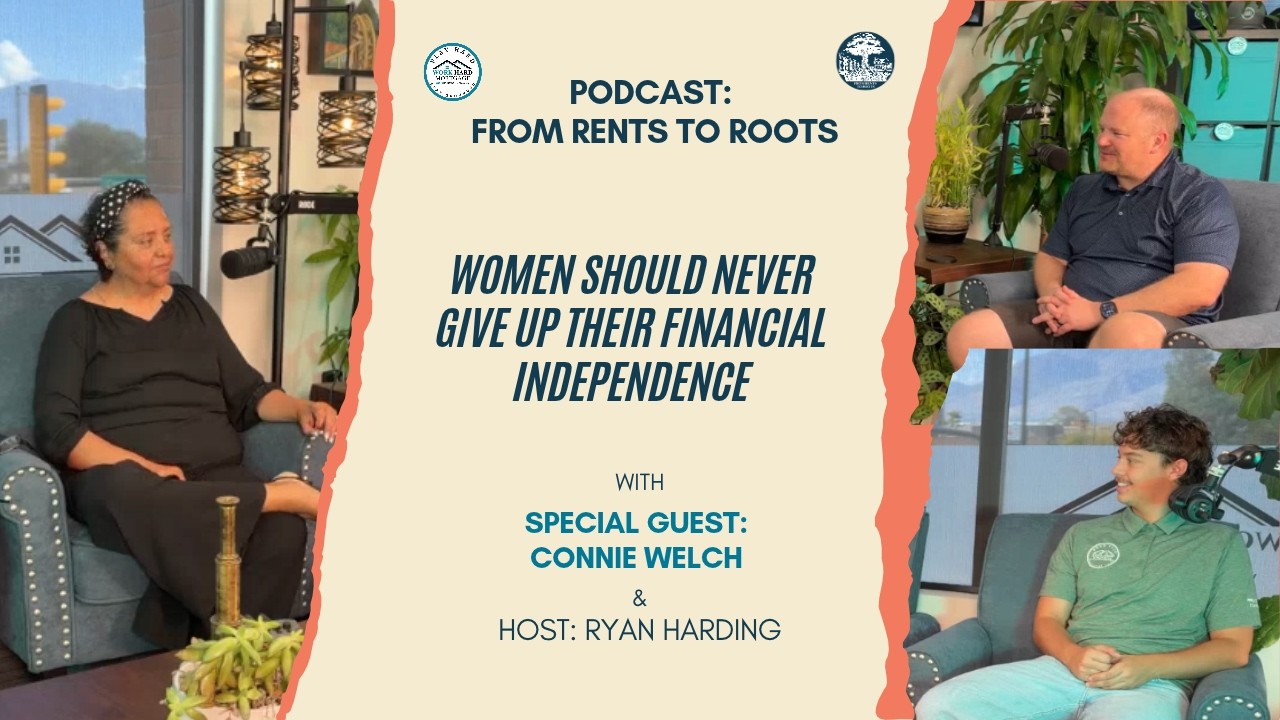
At a Glance
Archive Scoring
Introduction
The path to homeownership is often viewed through the lens of interest rates and market fluctuations, but Connie Welch reminds us that it is fundamentally a human journey of empowerment. Through her four decades in the real estate industry, Connie has witnessed the transformative power of owning a home, especially for single women and immigrants who face systemic barriers. Her philosophy rejects the idea of transactional relationships, favoring instead a lifelong commitment to the financial health and success of those she serves.
Central to her message is the concept of financial independence. Connie draws a powerful analogy of the 'two bikes,' urging women to maintain their own financial vehicles even within a partnership. By emphasizing personal discipline, budgeting, and the avoidance of dependency, she offers a blueprint for women to maintain autonomy regardless of their marital status or the stage of their family life. She treats her role not just as a realtor, but as an advocate for long-term security.
Her dedication to the Hispanic community highlights the profound patience required to navigate the American housing market. She speaks candidly about the hurdles of language barriers, legal status, and the generational wait that many families endure to achieve the dream of a home. Her stories of clients who waited years, only to finally secure their own place, serve as a testament to the fact that homeownership is worth the long-term investment of time and planning.
Connie also brings a refreshing level of accountability to her profession. She discusses the rare practice of 'owning one's mistakes,' whether by covering costs for a bad referral or advising a client against selling when the market is not in their favor. This integrity-first approach is the bedrock of her success, ensuring that her clients view her as a trusted advisor rather than a salesperson chasing a commission check.
Ultimately, the conversation captures the intersection of hard work and intentionality. Whether discussing the pitfalls of consumer debt or the strategic importance of building a reliable professional team, Connie offers listeners a roadmap for life. Her story serves as a bridge between the traditional values of hard work and the modern necessity of financial literacy, providing timeless advice for anyone looking to build roots in a changing world.
Episode Overview
A detailed look at the topics, people, and context of this conversation.
In this episode, we sit down with Connie Welch, a veteran realtor whose career has been defined by a deep sense of community responsibility and a passion for helping others reach financial milestones. With 40 years of experience in the Provo, Utah area, Connie reflects on her own journey as an immigrant from Mexico and how that informs her advocacy for those navigating similar challenges.
The conversation spans a wide range of topics, from the importance of maintaining individual financial independence within marriage to the practicalities of the current buyer's market. Connie shares candid, heart-felt stories of her clients—from the families waiting decades to qualify for their first home to the single women she has empowered to take control of their financial futures.
Throughout the discussion, the emotional tone remains warm, reflective, and deeply encouraging. Connie’s expertise shines as she deconstructs the myths of the real estate industry, advocating for long-term wealth building over quick transactions. This episode is an essential listen for anyone seeking to move from renting to owning, providing both practical financial wisdom and the inspiration to persevere.
Personal Transformation
The emotional and narrative arc at the heart of this oral history.
Connie Welch's journey from an immigrant teenager arriving alone in the U.S. to becoming a seasoned real estate professional demonstrates profound resilience. Her transformation is rooted in the shift from seeking personal financial freedom as a single woman to dedicating her career to empowering other women and the Hispanic community through homeownership, ultimately redefining success as a lifetime commitment to serving others rather than individual gain.
Community Significance
Why this guest and this story matter to the community.
Connie’s story highlights the vital role of culturally competent professionals who bridge the gap for immigrant families facing language barriers and systemic navigation challenges. It underscores the profound impact of long-term community mentorship, where a realtor invests years—sometimes decades—into preparing families for the eventual, life-changing milestone of buying their first home.
For future buyers, this story emphasizes the necessity of trust-based relationships within the homebuying ecosystem. It validates that homeownership is not merely a financial transaction but a community-building effort that provides stability, fosters intergenerational wealth, and creates a sense of belonging for those navigating the complexities of assimilation.
Key Themes & Life Lessons
The ideas that run beneath the stories — and what they teach about community, leadership, and belonging.
Wisdom & Life Lessons
The core lesson is that professional success in service-based industries is earned through integrity, not just transaction volume. This is best exemplified by Connie's willingness to own mistakes and cover costs for a failed referral, proving that transparency and taking responsibility build deeper, more lasting loyalty than perfection ever could.
Emotionally, the lesson is one of 'radical agency'—the idea that women should maintain their own financial foundations, their own 'bikes,' while navigating life. It teaches that discipline in daily household and financial management is the key to preventing a life from becoming chaotic, providing a structured approach to building wealth.
Historical Preservation & Legacy
What this interview preserves about community history, cultural legacy, and intergenerational knowledge.
Preservation Value: High
This episode provides a rare, multi-decadal perspective on the intersection of immigration, financial independence, and real estate. It is highly valuable for its ethical approach to client relations and its candid documentation of the challenges facing the Hispanic community in the housing market.
Why This Episode Matters Historically
This episode serves as a historical record of the challenges faced by the Hispanic immigrant community in accessing the housing market during the late 20th and early 21st centuries. It documents the specific hurdles—such as legal residency, language, and credit establishment—that defined the housing journey for this demographic during this period, providing essential context for future generations. Furthermore, it captures the transition from a traditional, face-to-face, relationship-driven real estate model to a digital, tech-reliant landscape. By contrasting Connie’s 40-year approach with the emerging trends of the digital era, this episode acts as a bridge, preserving the value of human-centric service amidst rapidly changing industry norms.
What Future Generations May Learn
Future buyers will learn that the principles of successful homeownership—budgeting, discipline, and long-term planning—remain constant regardless of the market cycle or interest rate environment. The story illustrates that waiting for the 'perfect' time is often a financial mistake and that building equity early is a cornerstone of financial independence. Additionally, future generations will learn the importance of maintaining financial independence within relationships, as exemplified by Connie's 'don't drop your bike' analogy. This lesson teaches that personal agency and financial literacy should never be sacrificed, even when building a life or family with another person, ensuring long-term security for all individuals involved.
Community Memory Preserved
The episode preserves the memory of the immigrant experience in Provo, Utah, and the broader, often untold, struggles and triumphs of Hispanic families attempting to establish roots in a new country. It validates their persistent effort and the role of mentors in facilitating their entry into the American Dream.
Local Knowledge Preserved
The episode captures the importance of local, trusted professional networks—lenders, inspectors, and agents—and the catastrophic impact of ignoring professional advice in the rush to buy. It preserves the specific, hard-earned wisdom that local agents hold regarding market nuances and the ethics of putting client interest above personal commission.
Intergenerational Lessons
The primary lesson is the necessity of teaching younger generations about financial discipline and the reality that 'buying now' is almost always better than waiting. It emphasizes that real estate is a long-term strategy, not a short-term gamble.
Community & Cultural Insights
The story offers an inside look at the specific obstacles facing the Hispanic community, including navigating immigration milestones and the importance of having a bilingual advocate. It shows that the community’s path to homeownership is frequently a multi-decadal process, requiring intense patience and specialized guidance.
It also reflects on the cultural dynamics of the local Provo/Utah market, where community and church networks play a pivotal role in housing stability, often functioning as support systems for immigrants long before they are ready to enter the official mortgage process.
Historical Context
This episode takes place within a modern market defined by high interest rates and the lingering 'lock-in effect,' where many potential sellers are hesitant to trade their low mortgage rates for new ones. Despite these challenging macro-economic conditions, the conversation pivots toward long-term strategy rather than short-term panic. Historically, the discussion also reflects the broader evolution of the real estate industry in the United States, particularly regarding the increasing role of financial literacy and advocacy for underrepresented communities. By highlighting the shift from traditional, agent-centric sales to client-focused advisory roles, the episode captures a pivotal time in the industry's history where trust and transparency are becoming the most valuable assets a professional can possess.
Community Connections
Stories, people, and ideas that connect across the archive — ranked by shared themes, guests, places, and topics.
Related Episodes
(4)Immigrant Homeownership, Building Wealth & Protecting It
Gloria Mensah
Building Generational Wealth Through Homeownership
Demba Camara and Shawna Turner
Breaking Into U.S. Homeownership: The Challenges Immigrant Families Face
Hector Delgado
Grants, Co-Signing & Credit Tips for First-Time Homebuyers
Ryan Harding, Matthew Young, Bret Bushman, Jordan Caprio
Related People
(4)Related Stories
(4)Related Quotes
(4)Related Themes
(4)Public Service
Stories of neighbors who stepped up to serve their community through elected office, committees, volunteer work, and civic engagement — often starting not with noble ambition, but with a single meeting they decided to stay for.
Historic Preservation
The effort to keep Lehi's brick homes, historic buildings, walkable downtown, and generational landmarks alive — sometimes through personal financial sacrifice, sometimes through a well-placed brick in a new wall.
Family Legacy
The stories of families who planted roots in Lehi across generations — the ones who built the traditions, the parks, the businesses, and the sense of belonging that others now enjoy.
Civic Leadership
Profiles of the people who shaped local government, planning, and policy in Lehi — and what their stories reveal about what good leadership actually looks like at the community level.
Ways to Serve
(4)Explore More Stories & Themes
Related topics and community themes that connect this episode to the broader archive.
Connected People, Places & Stories
Guest
Expert realtor with 40 years of experience focusing on immigrant and women-led homeownership.
Host/Sponsor
The podcast host organization that bridges renters to owners.
Residence
The city where the guest settled after arriving from Mexico.
Core Philosophy
A primary driving force for the guest's career and advice to women.
Suggested Future Guests & Topics
Future interviews should focus on the families Connie has helped over 20-30 year spans to document the long-term impact of those initial home purchases on their children's education and stability. Additionally, interviewing other first-generation immigrant realtors in different regions would provide a comparative analysis of these challenges across the U.S.
More from From Rents to Roots
Creative Financing, Syndications, and Building Wealth Through Real Estate
with Jordan Lee
Jordan Lee shares how creative financing, syndications, and a deep understanding of tax strategies can build long-term wealth through real estate.
ADUs, Rent Math, and Buyer Strategy
with Joel Jones
Breaking Into U.S. Homeownership: The Challenges Immigrant Families Face
with Hector Delgado
Immigrant entrepreneur Hector Delgado shares his inspiring journey from Mexico to U.S. homeownership, offering timeless wisdom on building generational wealth.
Full Transcript
Transcript source: AI-generated. This transcript has been lightly edited for readability.
Buying a home is more than just a transaction. It's a journey. And for many, it can feel overwhelming, confusing, and even a little scary. But hey, you're not alone. Welcome to From Rents to Roots: Homeownership with Workhard Mortgage, where we share real stories from real people who have navigated the home buying process. In each episode, we sit down with first-time homebuyers, industry experts, and real estate professionals to talk about the challenges, surprises, and lessons they've learned along the way. If you're dreaming of owning a home but don't know where to start, you're in the right place. Let's dive in. Welcome to From Rents to Roots. We have Connie Welch here with us today. Excited to have you. Thank you. Thanks for coming on. Thank you. Thank you. Very excited- Yeah to be here. And we were talking just before this started, but tell me where you grew up. It's a place that I love. I, my dad worked for the government, so I was born in Mexico, in a state called Guanajuato. And then he was transferred to Mérida- ... which is three hours away from, three hours north from Cancun. Yes. So that's where we, I grew up, and then he was transferred to Mexico City. So in Mexico City I finish junior high- ... and high school, except the last year. Okay. And that's when the big earthquake happened- Oh ... in 1980 something. Yeah. Sure, sure. Yeah. And my, so we had the greatest idea I had the greatest idea to finish high school in Provo- Okay here in Provo, Utah. Yeah. So my dad said, "Yeah, go ahead and go." So I came to Provo, Utah, and never went back. Wow. Did your family come with you then? They... No. No. I came alone. You came alone. Okay. But then later my sister said, on her summer break, she says, "Let's go visit." Yes. And so sh- they came, my parents, my brother, and my sister. Yeah. I was here already. And and then we enroll at UVU. She met her husband. And we stayed. Okay. Okay. That's awesome. Yeah, I love, I- obviously, as we were talking, I served my mission in Medellín, so I I, I love that area. It's very, like you were saying, we need to go buy a house down there. Yeah. And good food, yes. And good food. The cochinita pibil- Oh ... is is very good. So yes, very good place. So do you get to go back very often, or, or- I actually going back to Mexico, but I'm going to Mexico, La Ciudad de Mexico. Okay. Not Mérida. Okay. Yep. Yeah. You need to go back to Mérida sometime. Yeah. I will. I will. You need to go back. My l- my husband loves Tulum. Yes. Oh, yeah. Down south. Yes. Yeah. Okay. Okay, so talk to... so you've been now, 40 years, yeah, I think you said, right? In Provo and stuff like that, so a long time. What what got you into real estate? Why real estate? The reason that I wanted to do real estate there, there are two things. And it is still my reason. It hasn't, it has never changed. I I came to the US, and I saw how difficult for a single woman- Yes ... because back then- Yeah ... I was, single. Yeah. I didn't wanna be not having the means to do whatever I wanted to do. Yeah. To travel, to do this, to do that. Yeah. And so real estate, on the personal side, I said, okay this will allow me to be flexible with my time and so on, but at the same time, it will allow me to help women- Yeah ... single mothers, women, to realize their dreams. Yeah. And it is still my same focus. That is why I got into real estate. That's great. To help families, women. Yes. Especially. It's my focus. Sure, sure. So that they have something. Now, 40 years later, I realize- We're not gonna get younger Yeah. W- and one day we will have to have something to give us like rental income. Yes. Passive income- Yes ... so that I don't have to go to work when I become 75- Yes ... or whatever. Yes. Yes. I love that. Talk to me about that then. So you're, you said your focus has been, primarily on, on women, single women and stuff like that. What, what have you seen over the, that period of time? Any stories stand out to you of helping somebody, seeing things? You're you've probably also now seen, where, hey, somebody that you helped a long time ago now is in a lot better situation 'cause, years have passed and they're financially in a lot smarter situation than had they just been renting, right? That's correct. And I also focus in the, with the Hispanic community. Hispanic community. Okay. Yep. Community. So I have seen, because I've been here for a long time and I go to church, in my church community families that came, immigrated, but they couldn't do anything until their children who were born here- became US citizens. Or actually they are US citizen when they are born, but I mean became legal or 21- Sure ... to help their parents to become US citizens. Yeah. So they had to wait around 25 years. And those, tho- that same family, I have helped several of those families- ... on that 30-year l- wait- Yeah span, when they finally came to me and said, "We're ready." Yeah. "We can have a home." I have a family who every time I see the family, he says, "Thank you. We now have our own home." Yeah. "Thank you." This is fulfilling. This is what it, this is what it's all about. Yeah. Yeah. Again, it just changes people's lives, right? Yeah. Yeah. What are some of the obstacles that, that somebody that's immigrating here has? Maybe a lot of people don't always understand how hard it is, but what are some of the obstacles that they have, just in general, trying to assimilate into society? F- because I work for, with the Hispanic communi- community, the f- the first ul, the first obstacle, it's the language part. Sure. Okay. Yep. That is the, the biggest- Yeah, that makes sense. Yeah ... that is the biggest issue for them, and that's why they come to me because I am bilingual. Actually, I speak three different languages, but- Okay ... spanish. And I teach them, and I help them how to navigate the homeownership. Yes. Okay ... so the, the next is they have to wait to have their employment, their credit, all the papers that they need i- in place so that they can finally apply and qualify for a home, so that is the second issue we encounter, and and time. Yeah. Okay. Okay. Now you've been doing this for a little while now. Yes ... and with obviously a lot of people buying homes and stuff like that, you've seen a lot of change over the, the years here- ... too, right? Good and bad. Yeah, good and bad, right? Yeah, good and bad. So as a realtor, what, w- how do you think you've been able to stay afloat? How, like how are you still surviving where a lot of people have quit and gotten out of the industry? I believe it's because of, of what you're giving, not what you're taking. A l- I see a lot of people that are I wanna become rich, so therefore I'm gonna be a realtor, and I'm gonna sell a lot of homes-" and blah, blah, blah." Sure. Sure. And then but when you don't come from that perspective, when you come from how can I assist you even if it takes me 30 years to help you- Yeah ... down the road, I'm gonna be here. That's one of the things. And the other one it's always own your mistakes. I'll give you, I'll give you an example of what I mean with that. Yeah. Which I'm actually going through that today. Okay. I helped one of my clients. She bought a home. She needed to remodel it and so on and so forth. Yeah. And the AC unit was not working. We knew that from the beginning, so a man came from one of the workers that were f- remodeling the home. He says, "Oh, I know this person." Sure. "He can give you a bid for the AC," so on and so forth. Yeah. He gave us a good bid. It was good price. My client didn't do the AC at that moment because summer was gone. Sure. Client says, "I don't need to invest right now." Yeah. "I will do it at the beginning of next year." Yeah. Anyway, another client called me and said- I need an AC man or person. Yeah. So I gave this ph- th- this man's phone number. I'd never worked with him. He just gave me- Yeah ... a really good price. That's all. Sure, sure. It ended up being a really messy thing- ... on that, on, on that side. And she called me and she says, "You referred him to me." I own my mistake and I say, "Yes, I did." Yeah. I don't... I didn't know him. I knew he was good with pricing- Yeah ... but I didn't know how it work. " So what's happening?" And she says now he's... this is happening," blah, blah, blah, "and this is gonna... and he's charging me $1,000 just to come in and and he didn't fix the issue." Oh, geez. Yeah. I said, "I will pay for half because I referred that person to you." Yeah. " And I don't want you to never trust me again." Yeah. "So I'm in... right now after this, I'm actually gonna go talk to him- Yeah ... and say, ' Here is half of what she owes- Yeah ... and this is how we're gonna work it out.'" She has been so grateful, and she says, "Connie, I appreciate it because I... you gave me- Yeah ... that name." Yeah. "I trusted you." Yeah. "And I am owning my mistake." Sure. Sure. That's why people come back, because wh- I- when I know that I messed up- Sure ... I take care of it. Sure. Sure. Which, messed up in this inter- situation, you can't necessarily control what somebody does but I love that you still owned that, to your point, right? Because, again, that wasn't necessarily your fault but you did recommend him, and so yeah. Yeah. Yeah. I could have said, "Oh, I'm sorry." Yeah, sorry. I get- I could have. Yeah. Yeah. Yeah. Yeah. No, totally. But I didn't, and that's why people come back to me. Or when they say, I have another client, and I'm this is in re- in regards to, right now it's a buyer's market. Yeah. We are in a buyer's market right at this moment. This woman came to me and she says, "I wanna sell my condominium." And I say, " I can help you, but this is what's happening- ... in the market." Yeah. "And this is how much it's gonna cost you to sell because right now it's, the market is not in your favor." Yeah. I said, "I recommend you to wait." That made me delay my commission check Sure, sure. Yeah But I saw her interest over my own interest, and that's why people come back to me over and over because they know they can trust me. Yeah. I love that. I love that. And that's... and if you do that consistently over a long career, that's why I'm guessing at this point you probably have a lot of repeat and referral business. That's correct. Is that fair? That's correct. Yeah. That is correct. Because again, now you have a big network of people that do trust you. Yes. Yes. And so- And they know me and they know me would you say a good amount of your business comes from maybe repeats or referrals or something like that? Most of it. Most of it. Most of it. And now I see... Now it's a different story with that because I see the, the young ones, that are on YouTube and all these new channels that are now technology- Yep ... yep. And I don't have any of that. I just but this is interesting because in my office they are all over the place, and people actually call them. Yeah. And then they call me, these guys. They call me and say, "Coni," she say, "Yes. What do I do now?" Yeah. And so I go "Wait a minute. I sh- I... It should be the other way. I... They should be calling me." But- Yes ... it is what it is, and I do realize that I maybe need to step up on, on that side of the- Yeah of the coin. Sure. Sure. Love it. Here you are. Yeah. Here we are. That's right. That's right. You mentioned it's a buyer's market right now. What, what makes it a buyer's market? Why would you say it's a buyer's market right now? Because buyers are asking for all these things and sellers, they wanna sell their homes and they are giving, you know- Giving the things concessions- Sure ... or whatever they need to give. Okay. A closing cost, so on and so forth. That's why I'm saying it's a buyer's m- it's a buyer's market. Having said that, when people ask me, "How is the market?" I ask them, "How are your finances?" My cash buyers don't care how the market is. Yeah. They have cash. They have money. They know how to make money work for them, and so my clients need to do, need to learn that principle. How's the market? How's your finances? Yeah. I like that. I like that. What advice do you have for first-time home buyers? People that that maybe don't have money, that are just starting off. What, what advice do you have for those, around Case's age, these young 20s, maybe mid-20s, old 20s, but looking to, to make that first home purchase? The first advice that I have is when you earn your money every month, you need to be budgeting. This is gonna go for my home, my down payment. This is gonna go for emergencies. This is gonna go for traveling. This is gonna go for my food and every everyday ex- expenses. This is go... So divide your money and make sure you have that consistency because once you are really good with your money, you're not gonna say, "Oh, I don't have." One of my mottos is, "Because I have, I can." And that's what I teach them. For women- Or when women are dating and then they, "Oh, I- I'm gonna get married," this is the analogy I take with them. I said your future husband, your, person to be, whatever, and you, two independent individuals, and each one is going on their own bike. Yeah. Then they meet each other. Women, we tend to do is we drop the bike and jump on his bike. Sure. And then we get married and everything is right here. Yeah. Instead of continuing together going on each bike. You manage your bike, he manages his bike, but you're going together in this, to the same journey, to the same destination. And so that is one of my advice to newlyweds. Take care of your own bikes and learn to work together. I love that. I love that. May- and dive into that a little bit. So obviously we're not talking about bikes here, right? So what is what... dive more into that. What's more specific advice that you give to- Okay, so for example- Yeah We women have our own careers, and then we meet our husbands, and we get married, and then we have kids. Yeah. What do we do? We drop the ball. We just go, "Ah." Now the, we're focused on the kid. Yeah. And our life goes somewhere else. Sure. And he keeps growing. He keeps, his career, his da. He keeps going. Yeah. Because he's the father, yes, but he's not like me woman- Sure ... focused on the kid. That's where we drop our bike. Okay That is exactly what I'm saying. Yes, fabulous, you have a kid, but do something. I say, "Okay, so now I'm gonna be staying at home. How do we... How do I produce or how do I continue earning on the side?" N- now we have technology. We don't have any excuses. Maybe at my grandma's time, maybe that, that couldn't be done. Yeah. But now it is possible. Now you can, you can do or before you start your kids, set up your... Buy a, a property or- Yeah ... or have an ADU. Possibilities are endless. Sure. Sure. Love that. That's what I'm saying. Do not... Women, do not drop your bikes. Do not drop your bikes. Continue pedaling. Continue pedaling. I like it. Even if you have a child next to you. Sure. Sure, sure. Which obviously, and hats off to women, obviously it's hard, they do a lot, right? And, having children and different things like that is obviously it do- it is a big sacrifice, right? It is discipline. It is more than sacrifice. If you have a discipline on Mondays I do my laundries, Tuesdays I do shopping, Wednesdays I do cooking, Saturdays I do cleaning, blah, blah, blah, blah. If you have that discipline, your life will not be a messy life, I promise. If you have your processes and discipline, everything in place- Life becomes organized for you Yeah But if you're going all over the place, you will never catch up. Sure. Sure. Okay. No, I love that. Somebody that's looking to, to buy their first home, is now a good time? Do you recommend them doing it? Always. Always is a good time. It do- it is most costly when you wait. I'll give you another example. I have another family that they were ready to go, they were qualified. We went and and saw homes, and obviously, their renting price was this amount, and then now their purchase price is maybe twice. Yeah. And they freaked out. They went, "Oh, but the interest rate was five-point-something." What's the interest rate now? Seven- Yeah ... seven? Yeah. Yep. Exactly. Now, that cost them a lot of money. That wait cost them a lot of money. And I remember when gas was, what, 50 cents? Yeah. Now it's, I don't know how expensive it is. It's, add a zero. But it's always gonna be that way. It's always going to be an increase. There's always, when you leave, 20 years ago, oh it was less expensive. Now, I should've bought back then." Yes. Yeah. Now buy now. Yeah. So that tomorrow you're not gonna say, "Oh, I should have bought back then." That is my advice. Now. Now is the, it's... And if it doesn't work out, sell it- Sure ... and then make a profit. And then continue, move on. It is always going to work out. Yeah. Okay. Love that. What about obviously, y- for a long time you had people that were, you had the locked in effect, I think is what they call it, where, "Hey, I have a low interest rate, and I, I don't wanna move because I have a low interest rate." Now a lot of those people have multiple kids, and their home is... they were in a town home, and so they're running out of space, right? And so you have some people that are like, "Okay, I have to move," and which means they would have to sell their home. What advice do you have for sellers right now? It's, again it is... It, this is my humble opinion. I tell them, "Do not sell." Because they have a really good property, right? They're what they are doing is they are transferring what they are earning and giving it to somebody else to earn that interest- Okay ... to the bank. Yeah. And they are just only gonna grab this much. Yeah. Let's say $200,000 that they have in equity, and that's it. Yeah. Do not sell. Manage your money. Learn how to manage your money. Learn how money can work for you, and then you can be buying and not selling. Yeah. I don't like selling. Although I am in the sales. If you wanna sell, I'll help you sell. You'll help them sell, yeah. I'll help you sell. Yeah. But for the young ones- Yeah ... I say no. The older ones, fine. Sure. Sell, and then we'll... That equity that you have in there, put it in a, 'cause you're gonna downsize, put it in, in, in here, and then you will be in the same boat. Yeah. Because it's time. Yeah. Time is really important. So your recommendation for most people then, in that scenario, would be to keep it as a rental then. It depends on their age. Sure. Depends on their age. If it is a younger, maybe in their 30s, 40s, they have, kids that are teenagers, whatever. Yeah. Keep it going. Sure. 'Cause you're gonna eventually not gonna have to work, or you're not gonna be able to work and produce- Yeah ... generate income. For, the same for the younger ones. For the older one, yeah, you can sell and put the equity in, in, in your home, live comfortably, and that's it. Yeah. Okay. Love that. Thank you. Obviously as a realtor you work with a lot of different people on the, on the buyer/seller s- ra- range, but you also have people that you refer to, right? You already shared that story of referring and stuff like that, right? Yes. So why why is it so important that you have a good team, and whether that's, a, a lender obviously, a realtor, or sorry, a inspector, title company, those people. Why are that... Why is that so important to have such a good team? I'll tell you the biggest thing that is my lender. E- even, title and lender, they have to be... I have to say, I have, this issue came up. Yes. How do we solve it? And my, my loan officer will, he needs to say, "Oh, we need to move it this way. We're gonna change programs. We're gonna do this." Yeah. Da da. And he needs to do it. Yeah. He ... that's why he's really important because I don't want that negotiation to go south. Yes. I want it to continue, and he needs to solve the problem. Yeah. Or give us different scenarios and say, "This is the way we're gonna go." Yeah. Number one. And also, he is the one that is gonna help those family to become financially healthy. Sure. That's his job. The other one, the, you know, title company. Al- also, title company is really r- everybody can tell you, "Oh, yeah, I'm title." But then when a, let's say, where the boundary is wrong- Yeah I, how are you gonna solve it? Yeah. I, I had a, an experience with that too w- with title, and when they did the title search- ... they didn't see there was a lien in there. And then my client, the buyer, got a letter a year later- Yeah Yes. Yeah And guess who they called? You. Yeah. Yeah. Yeah. So I called the title. I said, and she resolved the issue. She said, "We're gonna have to pay for it- Yeah ... because- 'Cause we missed that. Yeah ... we didn't see it." Yeah. Interesting. That's why it's important your s- that your team is qualified, and that your team is going to be... Everybody can have, everybody can go have a license and go for it. Yeah. But not everybody is responsible or is able to solve problems when they come up. Yeah. Because they will come up. Yeah. No. I- and I think especially, you mentioned on the lending side, the worst is to have somebody that thinks they're pre-approved start looking at homes, end up finding something that they can't actually afford, right? So then, that's a lot of wasted time from both you and the- the buyer, right? And so again, I can see how important that lending relationship is, that you're making sure that you have, somebody that you can trust. Because again, it comes back to you, right? It comes back to me. And- and besides, it is, a p- a purchase of a home is so emotional for a family. Yeah. They are so excited they finally are gonna get a home, and then they say, we say, "Oops, actually you're not." It's- it's a heartbreak right there. Yeah. And- and then that family loses my trust, or I lose their trust, actually. Yeah. They- they will never come back to me or the lender. Yeah. When they eventually become e- eligible to- to start again, I will lose those people. Yeah. And so it's really important for me to s- to know, yes, they're gonna qualify. The only way- That I am not gonna we're not gonna be blamed, either lender or real estate agents. If it's a, if I, if we tell them and they don't follow- Sure ... our instructions. Yeah. For example, they are so excited and I tell them, "Do not breathe. This whole month, do not breathe. Do not do anything." "Do not go to shopping. Do not go eat out." Yeah. Nothing. Yeah. But if they have, when they become so excited and then they go buy furniture for the new home before they close, guess what happens? They lose the deal. That's when I done... That, that's when I say, "I told you- Yeah not to go buy anything," because guess what happened? Yeah. You're not gonna have a home. Yeah. Other than that, I take responsibility. Good. Good. Love that. Let's switch gears here a little bit. What, obviously you've had a good career, yeah. You've been doing this for a long time and stuff like that. I've been doing it. What, what advice do you have to, to young, lenders and young real estate agents who are just starting in this business at a, you could argue, harder time right now. Now is hard. What advice do you have for those new guys that are just starting, and trying to start their careers, and they look at you and they're like, "Hey, I wanna be like Connie," but how do they get there? It's not about you. It's about them. It's about your clients. That's number one. Number two is your clients, you need to help them to reach that goal, to reach that next step. Maybe right now it's... I wanna make a lot of money, and I wanna sell homes right now. Sure. But if that person doesn't qualify, I'm not gonna push him- Yeah ... because they don't qualify, but I'm gonna teach him. I'm gonna say, "This is how we're gonna go about it, and this is how, even though if it takes us the whole year to get there." Yeah. So it is not about you. It's about them. Take responsibility and say, "This is our plan." You need to know what you can do. If you're starting and you're learning, shadow somebody else that already knows what to do. Do not promise and overpromise and under-deliver. Yes. Yes. Yes. Okay. Yeah. So really you're saying, hey treat people the way you wanna be treated, right? Take care of them. And are you saying, hey, the success will follow then, yeah. Yeah. It, actually, it does. It really does. Okay. Okay. Case, any questions that you have for Connie? Yeah. Just going off of that on- Just talking a little bit about what Ryan was saying with how, what kind of advice you have for people. You t- you talked about how you really like to keep, or this is advice that you give to moms when they're working and trying to take care of kids, is staying organized and keeping a schedule pretty staying, sticking to a schedule and a routine. Would you say that's something important for somebody who's just getting into the business? Absolutely. Absolutely. Do- make your phone calls. Talk to people, tell them, this is what we can do, this is what we do. Talk to them and make friendships. It's not a transaction. It's not a transaction relationship. It's a lifetime relationship. A friendship. So even if it doesn't, if it, even if it's not gonna happen right now, it will eventually happen because they learn to trust you. You're just not calling because you're gonna get something out of them. Yeah. They can feel that. It's absolutely a no-no. You have to build a friendship with them. They need to know you care. Yeah. Yeah. Just, it's about just building a genuine connection with the people. Yeah. And after time, you'll be the first person they think of when they need- Yeah ... they need help with anything related to real estate. There you go. Love that. Yeah. Again, it goes, it, and people can tell if, it, it- Yes, they can If, oh, I just want the money, it's like okay, are you after my best interest or, are you just l- do you see dollar signs with me? And Yeah. And it is really interesting because when you put your interest as, let's say as a real estate agent, I say, "Oh, I'm gonna get the commission and I don't care if whatever I sell them," it comes back to you. Yeah. It really, maybe not right then, but it will come back to you. Yeah. And you will lose more than what you earn right there. Yeah. Yeah. Take care of people. And they'll take care of you. Yep. Connie, this has been great. I think you're imparting a lot of wisdom. Thank you. So this is good. Is there anything we didn't cover that you wanted to cover before we conclude? No, but really y- live your life to the fullest. M- make your commitments, own your mistakes and learn from, from the people around you. Yeah. Young and old- Yeah ... because y- we can, learn from... I learn from the young every o- often. Sure. When they do their videos and everything. I go, "What? How are you doing?" Yeah. How are you doing that? Sure. How do you do that? Yeah. Yeah. All that stuff. And- Yep ... and they, it's a totally different ballgame for them than it was for me growing up. I had the phone hooked to the wall- Yep ... when I was growing up. Yep. And, and now it's this. Yes. So but just m- my, my advice is just make the most of your life. Live your life. Live to the fullest. That, that's it. Okay. Thank you, Connie. Awesome. Yeah. Thank you. Appreciate you coming on. Thank you. Thank you for the time. Thank you. Speaker 5: Thanks for tuning in to From Rents to Roots. I hope today's episode gave you insight, confidence, and maybe even a little inspiration on your homeownership journey. If you enjoyed this episode, make sure to subscribe, leave a review, and share it with someone who might find it helpful. And if you're ready to take the next step in buying a home or just have questions, reach out to me or my team at Work Hard Mortgage. Speaker 5: We'd love to help you on your path to homeownership. Until next time, keep working hard, keep building your future, and we'll see you soon.
Full transcript available — approximately 5651 words.
Two podcasts · One monthly letter
Roots & Insights
Good stories stay with you. Get our favorite conversations, a little local history, and practical lessons from Roots & Branches of Lehi and From Rents to Roots.
Browse the newsletter archive →
A podcast newsletter · Sponsored by Work Hard Mortgage