George Goates and the Sugar Beets — A Story About What Lehi Is Made Of
In October 1918, during the Spanish flu epidemic, George Goates of Lehi lost four family members in one week. He made multiple trips to Ogden to bring family members home for burial, built the coffins himself, and helped prepare burial clothes. At week's end, he and his surviving son went to the sugar beet field — and found that their neighbors had already harvested every last beet, anonymously, without being asked. It was the first time George cried all week.
In October of 1918, during the height of the Spanish flu epidemic, George Goates of Lehi lost four family members in a single week. His son in Ogden called to say one of his children had died and asked him to come bring her back for burial. George may have made as many as three trips to Ogden. He built the coffins himself. He helped prepare the burial clothes. And at the end of that devastating week, he turned to his surviving son and said: we need to go check on the sugar beet field. When they arrived, they found that their neighbors — unnamed, unannounced — had already harvested every last beet. The account says that was the first time George cried all week. He fell to the ground and thanked God for the men of the area. A historical marker now stands at the Goates farm site. Elder D. Todd Christofferson of the Church of Jesus Christ of Latter-day Saints cited this story in General Conference.
Key Lessons
- • True community service is often done without asking and without recognition
- • Grief and crisis reveal who a community actually is
- • A single act of anonymous kindness can become the defining story of a place for over a century
Community Connections
Stories, people, and ideas that connect across the archive — ranked by shared themes, guests, places, and topics.
Related Episodes
(4)Building Community Through Stories: Unveiling Lehi's Rich Heritage
Lara Bangeter
How One Family’s Farming Legacy Continues to Shape Lehi
Nathan Bushman
Building a Family Legacy: The Story of Rogers Automotive
Gary Rogers
The Heart of Lehi: Stories of Education, Autism Support & Community History
John Jay Harris
Related People
(4)Lara Bangerter
Manager, Lehi Historical Society & Archives
Mark Johnson
Mayor of Lehi, Former City Council Member, Engineer & Business Owner
Paige Albrecht
Lehi City Council Member, Attorney, Community Advocate
Doug Webb
Former Principal, Lehi High School · Agriculture & Science Teacher · Lifelong Lehi Resident
Related Stories
(4)William Hadfield's Christmas Package — A Small Kindness That Changed Everything
Lara Bangerter
The Book Brigade — Lehi Moves a Library by Hand
Lara Bangerter
Trees Planted for People They'd Never Meet — Wines Park and Generational Sacrifice
Paige Albrecht
Trees at Wines Park — Planted for People They'd Never Meet
Paige Albrecht
Related Quotes
(4)"Small things grow into big things."
— Lara Bangerter
"Wouldn't it be wonderful if we could continue to carry on that spirit?"
— Lara Bangerter
"We collect, preserve, organize, protect, and share anything and everything Lehi."
— Lara Bangerter
"Best thing you can do in this town is just be kind to one another."
— Mark Johnson
Related Themes
(3)Family Legacy
The stories of families who planted roots in Lehi across generations — the ones who built the traditions, the parks, the businesses, and the sense of belonging that others now enjoy.
Community Resilience
How Lehi residents have navigated challenge, change, growth, and hardship — and emerged with optimism, connection, and a deeper appreciation for what they've built together.
Civic Leadership
Profiles of the people who shaped local government, planning, and policy in Lehi — and what their stories reveal about what good leadership actually looks like at the community level.
More from Lara Bangerter
Lara Bangerter
The Book Brigade — Lehi Moves a Library by Hand
When Lehi needed to move its library collection from one building to another, the community formed a human chain and passed books hand to hand until every volume had been relocated. No trucks, no professional movers — just neighbors standing together.
Lara Bangerter
William Hadfield's Christmas Package — A Small Kindness That Changed Everything
For twenty years, William Hadfield drove his postal wagon in a figure-eight through Lehi. One Christmas Eve, a package arrived and he felt strongly it shouldn't wait. After dark, he delivered it to a poor family whose son had disappeared. The package was from the son — gifts for his siblings, and proof to his parents that he was alive.
Lara Bangerter
The Handcart Rocking Chair — Pioneer Legacy in Physical Form
A community member recently donated to the Lehi Historical Society a rocking chair made from the wood of a pioneer handcart — a physical, touchable connection between the people who crossed the plains and those who live in Lehi today.
Related Stories
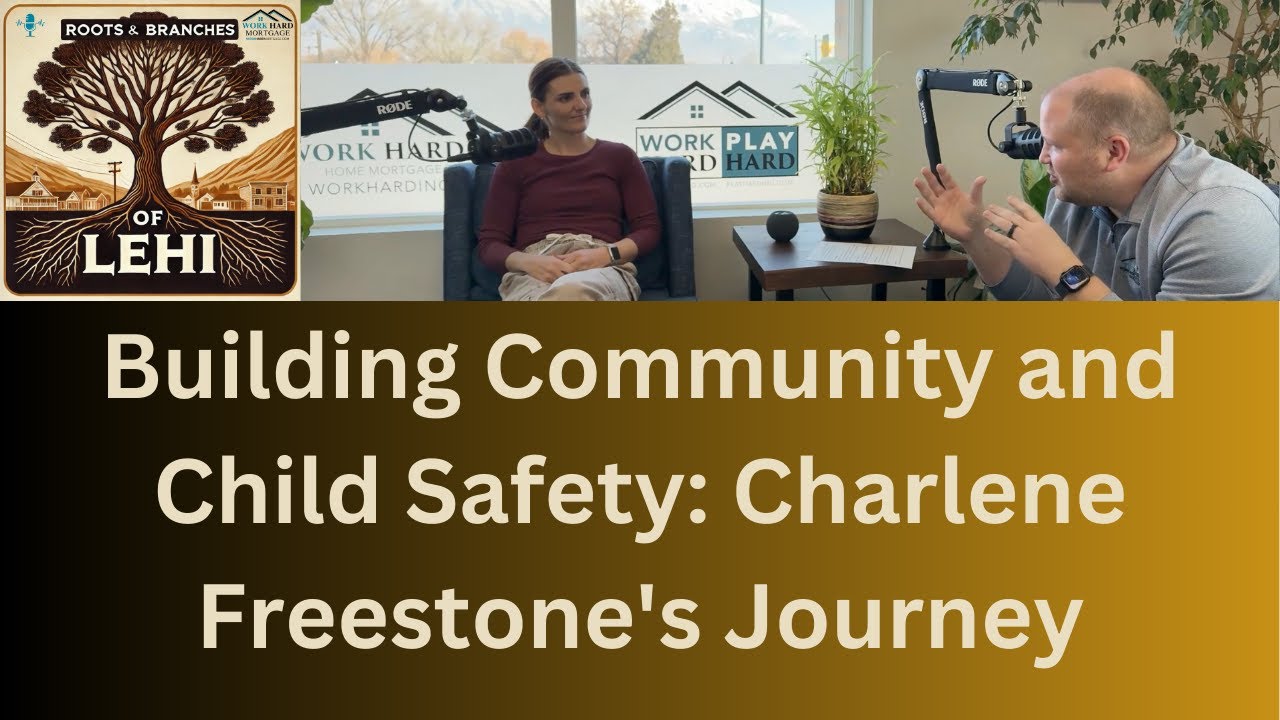
Charlene Freestone
Six Children, One Minivan, and a Wooden Box
At a child safety checkpoint in 2021, Charlene helped a family with six children in a seven-seat minivan. One child was on a secured wooden box. The family had daisy-chained lap extender belts through the outer car seats. Charlene and another technician spent over an hour arranging new seats, only to learn the mother was pregnant and needed room for a newborn. They had to start over completely. The experience became a career turning point.
Charlene Freestone
I'm Back, But This Time I'm Helping
Charlene's son was born with needs requiring surgeries. A nurse with child passenger safety training helped her family during the car seat oxygen test. Exactly 12 years later, Charlene began working with Intermountain at Utah Valley Hospital — on the exact anniversary of her son's discharge. Looking at her badge, she thought: 'I'm back, but this time I'm helping people here.'
Charlene Freestone
Grief Turned Into Safety Work
Charlene mentions a man in his 50s who became involved in child passenger safety after losing his daughter in a car accident. He used his grief constructively, becoming a volunteer for Zero Fatalities and eventually a certified CPST. He's also trilingual, making him an invaluable resource for families facing language barriers.